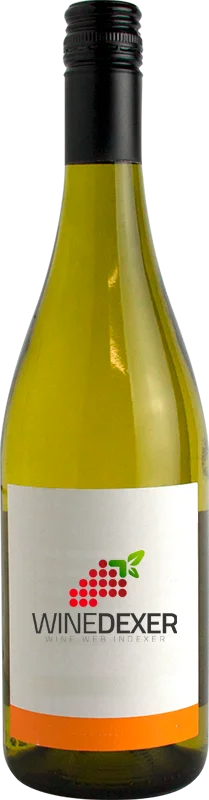
Bodega FlorsBlanc de Clotàs
 White wine


This wine generally goes well with
Details and technical informations about Bodega Flors's Blanc de Clotàs.
Discover the grape variety: Sauvignonasse
Would be the friulano - before 2007 called tocai friulano - from Veneto in Italy. It would be a distant relative of furmint and Jean-Michel Boursiquot (2019) states that it is the father or mother of chenin blanc. However, Sauvignonasse has nothing to do with Sauvignon Blanc, which it was once mixed with in the Sauternes region. It can be found in Italy, Chile, Argentina, Russia, ... practically more multiplied in France.
Last vintages of this wine
The best vintages of Blanc de Clotàs from Bodega Flors are 2018, 0, 2016
Informations about the Bodega Flors
The Bodega Flors is one of of the world's greatest estates. It offers 8 wines for sale in the of Castelló to come and discover on site or to buy online.

The wine region of Castelló
The wine region of Castelló is located in the region of Valence of Spain. Wineries and vineyards like the Domaine Barranc dels Cirers or the Domaine Barranc dels Cirers produce mainly wines red, white and sparkling. The most planted grape varieties in the region of Castelló are Cabernet-Sauvignon, Tempranillo and Merlot, they are then used in wines in blends or as a single variety. On the nose of Castelló often reveals types of flavors of blackberry, violet or plum and sometimes also flavors of leather, earth or oak.
The wine region of Valence
Valencia is a province in the centre of Spain's sunny east coast, perhaps better known for its oranges (and paella) than its wine. The administrative Center of Valencia is the city of the same name, the third largest in Spain and the largest port on the Mediterranean. Archaeological evidence suggests that wine making in Valencia dates back more than a thousand years, but the region has never been particularly prominent on the world wine map. In modern times, Valencia's wine production has focused on quantity rather than quality, although this is gradually changing.
The word of the wine: Residual sugars
Sugars not transformed into alcohol and naturally present in the wine. The perception of residual sugars is conditioned by the acidity of the wine. The more acidic the wine is, the less sweet it will seem, given the same amount of sugar.