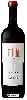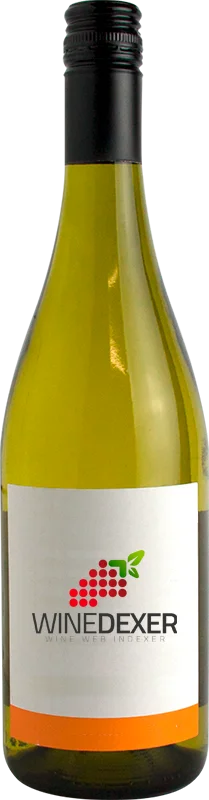
Bodega del Fin del MundoSouthernmost Neuquen White
 White wine


This wine generally goes well with pork, vegetarian or poultry.

Food and wine pairings with Southernmost Neuquen White
Pairings that work perfectly with Southernmost Neuquen White



Original food and wine pairings with Southernmost Neuquen White


The Southernmost Neuquen White of Bodega del Fin del Mundo matches generally quite well with dishes of pork, rich fish (salmon, tuna etc) or shellfish such as recipes of truffade (auvergne - cantal - 15), pasta with tuna and tomato sauce or fried squid.
Details and technical informations about Bodega del Fin del Mundo's Southernmost Neuquen White.
Discover the grape variety: Chardonnay
Whites with many faces: mineral and taut at Chablis (lemon, green apple, flint), opulent and buttery at Meursault and Puligny-Montrachet (hazelnut, brioche, yellow fruits), tense and chalky in Champagne (Blanc de Blancs). Also vinified sparkling and widely exported (Sonoma, Margaret River, Casablanca). A Burgundian variety, a cross of Pinot Noir × Gouais Blanc, half-sibling of Aligoté.
Last vintages of this wine

The best vintages of Southernmost Neuquen White from Bodega del Fin del Mundo are 2015, 0, 2013
Informations about the Bodega del Fin del Mundo
The Bodega del Fin del Mundo is one of of the world's great estates. It offers 97 wines for sale in the of Patagonia to come and discover on site or to buy online.

The wine region of Patagonia
Argentina's wine frontier, cool continental climate at low altitude (~200 m), strong natural acidity. Signature Pinot Noir, now a regional emblem: fine, silky reds with signature notes of tart cherry, raspberry, wild strawberry, undergrowth, violet and sweet spices, delicate tannins and taut freshness — a southern Burgundian style. Also Malbec fresher than in the north, round Merlot. Taut Sémillon, Sauvignon, Chardonnay, Riesling whites.
The word of the wine: Table wine
A category of wine with no geographical indication on the label, often resulting from blends between wines from different vineyards in France or the EU. These wines are now called "wines without geographical indication" (and "French wines" if they come from the national territory).