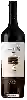
Bodega del Fin del MundoVentus Roble Blend
 Red wine


This wine generally goes well with poultry, beef or mature and hard cheese.

Food and wine pairings with Ventus Roble Blend
Pairings that work perfectly with Ventus Roble Blend



Original food and wine pairings with Ventus Roble Blend

The Ventus Roble Blend of Bodega del Fin del Mundo matches generally quite well with dishes of beef, spicy food or mature and hard cheese such as recipes of venison leg in casserole, fish with madras curry and coconut milk or comté cheese and cream soufflé.
Details and technical informations about Bodega del Fin del Mundo's Ventus Roble Blend.
Discover the grape variety: Malbec
Deep, velvety reds with an intense purple colour, showing aromas of blackberry, black plum, violet, cocoa and gentle spice. Round tannins, fleshy palate, peppery length. Star of Cahors AOC (Côt, Auxerrois) in France and the absolute signature of Mendoza, Argentina (Uco Valley, Luján de Cuyo). A French South-West variety that became the Argentine emblem after its post-phylloxera decline.
Last vintages of this wine
The best vintages of Ventus Roble Blend from Bodega del Fin del Mundo are 2018, 2017
Informations about the Bodega del Fin del Mundo
The Bodega del Fin del Mundo is one of of the world's great estates. It offers 97 wines for sale in the of Patagonia to come and discover on site or to buy online.

The wine region of Patagonia
Argentina's wine frontier, cool continental climate at low altitude (~200 m), strong natural acidity. Signature Pinot Noir, now a regional emblem: fine, silky reds with signature notes of tart cherry, raspberry, wild strawberry, undergrowth, violet and sweet spices, delicate tannins and taut freshness — a southern Burgundian style. Also Malbec fresher than in the north, round Merlot. Taut Sémillon, Sauvignon, Chardonnay, Riesling whites.
The word of the wine: Thermoregulation
Control of the vinification temperatures (by circulating hot or cold water on the walls of the vats, for example). This is a major step forward, which in particular helps to preserve the freshness of the aromas threatened by excessive temperature rises during fermentation.