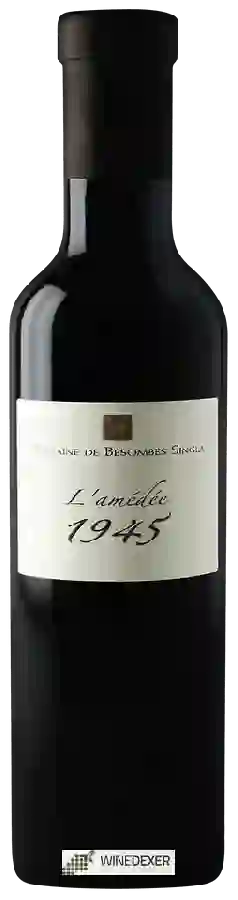
Domaine de Besombes SinglaL'Amédée
 Natural sweet wine


This wine generally goes well with poultry, beef or rich fish (salmon, tuna etc).

Food and wine pairings with L'Amédée
Pairings that work perfectly with L'Amédée



Original food and wine pairings with L'Amédée


The L'Amédée of Domaine de Besombes Singla matches generally quite well with dishes of beef, rich fish (salmon, tuna etc) or shellfish such as recipes of beef in white wine, sublime salmon (stuffed salmon) or seafood pie.
Details and technical informations about Domaine de Besombes Singla's L'Amédée.
Discover the grape variety: Doña Blanca
Fresh, aromatic dry whites with a pale golden colour, supple palate and lively acidity, showing signature aromas of citrus (lemon), white-fleshed fruits (apple, pear), white flowers and Atlantic mineral notes. Thirst-quenching Iberian north-west profile. Contributes to the white DO Valdeorras and Monterrei wines in Galicia, and to northern Portugal under the names síria or roupeiro. Native white variety of the Spanish region of Galicia.
Last vintages of this wine
The best vintages of L'Amédée from Domaine de Besombes Singla are 1945
Informations about the Domaine de Besombes Singla
The Domaine de Besombes Singla is one of of the world's greatest estates. It offers 24 wines for sale in the of Languedoc-Roussillon to come and discover on site or to buy online.

The wine region of Languedoc-Roussillon
Largest single French vineyard, dominated by sunny, generous reds. Spicy Syrah, candied Grenache (ripe fruit, garrigue), structured Carignan, deep Mourvèdre, supple Cinsault. Stars: structured Corbières, Minervois, Faugères, Saint-Chinian; round Côtes-du-Roussillon. Legendary vins doux naturels: Banyuls and Maury (fortified Grenache) with notes of cocoa, fig, prune.
The word of the wine: Primeur (purchase in)
Purchase made shortly after the harvest and before the wine is ready for consumption.