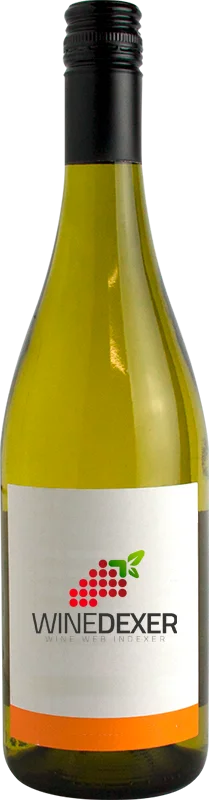
Winery Belmira CruzChardonnay
 White wine
In the mouth this white wine is a .
This wine generally goes well with pork, lean fish or shellfish.
Taste structure of the Chardonnay from the Winery Belmira Cruz
Light | Bold | |
Dry | Sweet | |
Soft | Acidic |
In the mouth the Chardonnay of Winery Belmira Cruz in the region of Alentejano is a .
Food and wine pairings with Chardonnay
Pairings that work perfectly with Chardonnay



Original food and wine pairings with Chardonnay

The Chardonnay of Winery Belmira Cruz matches generally quite well with dishes of pasta, pork or shellfish such as recipes of fried rice noodles with chicken, capellini with prosciutto or scallops with chorizo sauce.
Details and technical informations about Winery Belmira Cruz's Chardonnay.
Discover the grape variety: Chardonnay
The white Chardonnay is a grape variety that originated in France (Burgundy). It produces a variety of grape specially used for wine making. It is rare to find this grape to eat on our tables. This variety of grape is characterized by small bunches, and small grapes. White Chardonnay can be found in many vineyards: South West, Burgundy, Jura, Languedoc & Roussillon, Cognac, Bordeaux, Beaujolais, Savoie & Bugey, Loire Valley, Champagne, Rhone Valley, Armagnac, Lorraine, Alsace, Provence & Corsica.
Informations about the Winery Belmira Cruz
The Winery Belmira Cruz is one of of the world's great estates. It offers 23 wines for sale in the of Alentejano to come and discover on site or to buy online.

The wine region of Alentejano
Tejo">Alentejo is a well-known, highly respected wine region in eastern Portugal. This hot, Dry area covers approximately a third of the country and is best known for its red wine, the best of which are sold under the and Alentejo DOC (Denominacao de Origem Controlada) title. Wine from Alentejo is typically made from Aragonez (Tempranillo), Castelao, Trincadeira or a Rich, ripe, jammy blend of the three. Antao Vaz is the white variety of choice here, producing a good level of Acidity and tropical fruit flavors.
The word of the wine: Trader-Handler
Champagne term for a merchant who buys grapes to make a Champagne wine himself.