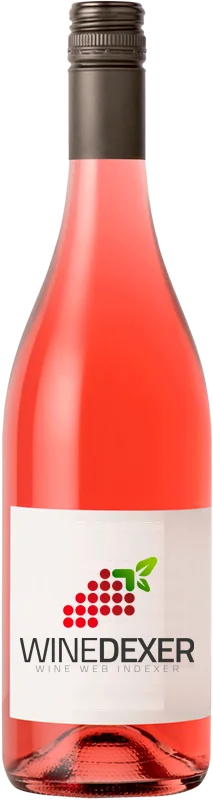
Winery Béla BorászatImrehegy Kekfrankos Rozé
 Pink wine
This wine generally goes well with beef

Food and wine pairings with Imrehegy Kekfrankos Rozé
Pairings that work perfectly with Imrehegy Kekfrankos Rozé

Original food and wine pairings with Imrehegy Kekfrankos Rozé
The Imrehegy Kekfrankos Rozé of Winery Béla Borászat matches generally quite well with dishes of beef such as recipes of fricandeaux german style.
Details and technical informations about Winery Béla Borászat's Imrehegy Kekfrankos Rozé.
Discover the grape variety: Gamay noir
Light, juicy reds, low in tannins with crunchy freshness, showing aromas of wild strawberry, raspberry, banana (from carbonic maceration) and peony. Easy-drinking style of Beaujolais Nouveau, more structured and mineral on the granites of the ten crus (Morgon, Moulin-à-Vent, Fleurie, Brouilly). Also in Touraine, Auvergne and Swiss Romande. A Burgundian variety, a cross of Pinot Noir × Gouais Blanc.
Informations about the Winery Béla Borászat
The Winery Béla Borászat is one of of the world's greatest estates. It offers 10 wines for sale in the of Hungary to come and discover on site or to buy online.

The wine region of Hungary
Millennia-old Central European wine country, 65,000 ha across 22 regions, 70% whites. Legendary Tokaji Aszú (UNESCO): golden botrytised sweet wines with signature notes of honey, candied apricot, orange peel and spice, taut acidity — one of the world's greatest sweet wines. Dry Furmint booming (lively and mineral), perfumed Hárslevelű. Egri Bikavér ("Bull's Blood") as a fleshy Kékfrankos red.
The word of the wine: Tiled
Said of the colour of an evolved wine that has taken on brick and orange hues.