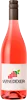
Winery Béla BorászatNektár
 wine
wine
This wine generally goes well with
The Nektár of the Winery Béla Borászat is in the top 0 of wines of Kunság.

Details and technical informations about Winery Béla Borászat's Nektár.
Discover the grape variety: Tinta negra mole
Dry, medium-dry, medium-sweet and sweet fortified Madeira wines, with an amber to mahogany hue, ample, oxidative palate and aromas of dried fruits (fig, walnut), caramel, coffee, spices and maderised rancio notes. Embodies the modern identity of the Madeira DOP appellation, accounting for over 80% of commercially sold Madeira. Portuguese black grape, the most planted on Madeira island, productive and adaptable.
Informations about the Winery Béla Borászat
The Winery Béla Borászat is one of of the world's greatest estates. It offers 10 wines for sale in the of Kunság to come and discover on site or to buy online.

The wine region of Kunság
Hungary's largest wine region (~20,365 ha) on the sandy Great Plain — soils that prevent phylloxera, ungrafted vines. Kadarka signature red king (historic Bikavér grape): supple and spicy with red cherry, raspberry, plum, pepper and paprika notes, fine tannins. Fleshy Kékfrankos (blackberry, pepper), fruity Zweigelt, peppery Cabernet Franc. Bright Olaszrizling, taut Ezerjó, floral Kövidinka in whites.
The wine region of Duna
Hungary's largest wine region (= Alföld) between the Danube and Tisza, favourable continental climate on sandy and loess soils. Kékfrankos is the signature king red with cherry, raspberry, spice and a peppery touch, supple tannins and lively acidity. Kadarka and Zweigelt as full-bodied fruity reds. Olaszrizling (Welschriesling), aromatic Cserszegi Fűszeres, Kövidinka and Riesling as fresh whites with citrus, white flowers and a honeyed hint.
The word of the wine: Trader-breeder
In the major wine regions, the négociant does not simply buy and resell the wines but, from very young wines, carries out all the maturing operations until bottling.