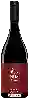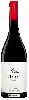
Winery BaturricaGran Reserva
 Red wine



This wine is a blend of 2 varietals which are the Cabernet-Sauvignon and the Tempranillo.
In the mouth this red wine is a powerful with a nice freshness.
This wine generally goes well with poultry, beef or veal.

Taste structure of the Gran Reserva from the Winery Baturrica
Light | Bold | |
Smooth | Tannic | |
Dry | Sweet | |
Soft | Acidic |
In the mouth the Gran Reserva of Winery Baturrica in the region of Catalogne is a powerful with a nice freshness.
Wine flavors and olphactive analysis






On the nose the Gran Reserva of Winery Baturrica in the region of Catalogne often reveals types of flavors of cream, cherry or oaky and sometimes also flavors of smoke, earthy or blackberry.
Food and wine pairings with Gran Reserva
Pairings that work perfectly with Gran Reserva



Original food and wine pairings with Gran Reserva

The Gran Reserva of Winery Baturrica matches generally quite well with dishes of beef, pasta or veal such as recipes of monkfish armorican style, the corsican soup or roast veal with caramelized carrots.
Details and technical informations about Winery Baturrica's Gran Reserva.
Discover the grape variety: Cabernet-Sauvignon
Structured, tannic reds, deeply coloured, with aromas of blackcurrant, blackberry, cedar, tobacco and graphite, underpinned by firm acidity and fine ageing potential. Cornerstone of the great Médoc estates (Pauillac, Saint-Estèphe, Saint-Julien) and signature of Napa Valley, Coonawarra and Maipo. The world's most planted red variety, a natural cross of Cabernet Franc x Sauvignon Blanc born in Bordeaux.
Last vintages of this wine
The best vintages of Gran Reserva from Winery Baturrica are 2015, 2014, 2013, 2012 and 2011.
Informations about the Winery Baturrica
The Winery Baturrica is one of of the world's greatest estates. It offers 2 wines for sale in the of Tarragona to come and discover on site or to buy online.

The wine region of Tarragona
Catalan DOP (~7,300 ha) on Camp de Tarragona and Ribera d'Ebre, temperate Mediterranean climate. Signature Cava trilogy in lively whites: Macabeo with signature notes of citrus, green apple, white flowers and an almond touch; more structured Xarel·lo (pear, fennel, herbs); delicate floral Parellada. Ull de Llebre (Tempranillo) reds round with notes of ripe cherry and leather, solar Garnatxa, dense Carinyena. Tradition of sweet Tarragona Clàssic.
The wine region of Catalogne
Cradle of Cava (~95% of Spanish output, traditional method): Macabeo, Xarel-lo, Parellada trilogy, fine fruity bubble. Quality peak in Priorat DOCa: dense, mineral reds on llicorella (schist), old-vine Garnacha and Cariñena with black fruit, garrigue notes, firm tannins. Also Penedès, fleshy Montsant, sunny Empordà, Costers del Segre. Mediterranean.
The word of the wine: Malolactic fermentation
Called second fermentation or malo for short. It is the degradation (under the effect of bacteria) of the malic acid naturally present in the wine into milder, less aggressive lactic acid. Some producers or wineries refuse this operation by "blocking the malo" (by cold and adding SO2) to keep a maximum of acidity which carries the aromas and accentuates the sensation of freshness.