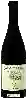
Winery Axel PruferLa Capitulation Ne Paie Pas
 Red wine


In the mouth this red wine is a powerful with a nice balance between acidity and tannins.
This wine generally goes well with beef, veal or pasta.

Taste structure of the La Capitulation Ne Paie Pas from the Winery Axel Prufer
Light | Bold | |
Smooth | Tannic | |
Dry | Sweet | |
Soft | Acidic |
In the mouth the La Capitulation Ne Paie Pas of Winery Axel Prufer in the region of Languedoc-Roussillon is a powerful with a nice balance between acidity and tannins.
Wine flavors and olphactive analysis




On the nose the La Capitulation Ne Paie Pas of Winery Axel Prufer in the region of Languedoc-Roussillon often reveals types of flavors of cherry, lime or minerality and sometimes also flavors of strawberries, cranberry or rhubarb.
Food and wine pairings with La Capitulation Ne Paie Pas
Pairings that work perfectly with La Capitulation Ne Paie Pas



Original food and wine pairings with La Capitulation Ne Paie Pas
The La Capitulation Ne Paie Pas of Winery Axel Prufer matches generally quite well with dishes of beef, pasta or veal such as recipes of beef kidney, pasta and peppers or veal roast casserole.
Details and technical informations about Winery Axel Prufer's La Capitulation Ne Paie Pas.
Discover the grape variety: Cococciola
Crisp, aromatic dry whites with a pale golden colour, a lean palate and fresh acidity showing citrus (lemon, grapefruit), white flowers, white-fleshed fruits and Adriatic mineral notes. Also made as fresh sparkling wines (spumante). Enjoying a quality revival among Abruzzese producers who vinify it as a single variety around Chieti.
Last vintages of this wine
The best vintages of La Capitulation Ne Paie Pas from Winery Axel Prufer are 2017, 2019, 2018
Informations about the Winery Axel Prufer
The Winery Axel Prufer is one of of the world's greatest estates. It offers 11 wines for sale in the of Languedoc-Roussillon to come and discover on site or to buy online.

The wine region of Languedoc-Roussillon
Largest single French vineyard, dominated by sunny, generous reds. Spicy Syrah, candied Grenache (ripe fruit, garrigue), structured Carignan, deep Mourvèdre, supple Cinsault. Stars: structured Corbières, Minervois, Faugères, Saint-Chinian; round Côtes-du-Roussillon. Legendary vins doux naturels: Banyuls and Maury (fortified Grenache) with notes of cocoa, fig, prune.
The word of the wine: Véraison
A phase in the vegetative cycle of the vine that takes place in summer, usually in August, when the grapes change colour from green to red (for reds) or yellow (for whites). This stage heralds the beginning of ripening.