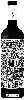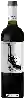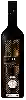
Bodegas ArraezGirasomnis
 Red wine



In the mouth this red wine is a powerful with a lot of tannins present in the mouth.
This wine generally goes well with poultry, beef or veal.

Taste structure of the Girasomnis from the Bodegas Arraez
Light | Bold | |
Smooth | Tannic | |
Dry | Sweet | |
Soft | Acidic |
In the mouth the Girasomnis of Bodegas Arraez in the region of Valence is a powerful with a lot of tannins present in the mouth.
Wine flavors and olphactive analysis


On the nose the Girasomnis of Bodegas Arraez in the region of Valence often reveals types of flavors of oak, red fruit.
Food and wine pairings with Girasomnis
Pairings that work perfectly with Girasomnis



Original food and wine pairings with Girasomnis

The Girasomnis of Bodegas Arraez matches generally quite well with dishes of beef, pasta or veal such as recipes of oxtail confit in red wine, italian pasta salad or sliced endives with ham.
Details and technical informations about Bodegas Arraez's Girasomnis.
Discover the grape variety: Merlot
Round and fleshy reds with a velvety texture, showing aromas of ripe plum, black cherry, cocoa and truffle notes with age. Supple tannins, generous alcohol, indulgent finish. Pillar of Libournais (Pomerol with Pétrus, Saint-Émilion with Cheval Blanc and Ausone) and signature of Super Tuscans, Italian Wales and Washington State. A cross of Cabernet Franc × Magdeleine Noire, France's most planted red variety.
Last vintages of this wine
The best vintages of Girasomnis from Bodegas Arraez are 2014, 0
Informations about the Bodegas Arraez
The Bodegas Arraez is one of of the world's great estates. It offers 77 wines for sale in the of Valence to come and discover on site or to buy online.

The wine region of Valence
Sunny Mediterranean Levant, sun-drenched accessible wines. Monastrell (Mourvèdre) star red in Alicante: fleshy and deep with black fruits, garrigue, leather and spice, firm tannins. Round, fruity Bobal from Utiel-Requena, supple Garnacha, juicy Tempranillo. Fresh whites: light Merseguera, aromatic Moscatel (fresh grape, flowers).
The word of the wine: Chaptalization
The addition of sugar at the time of fermentation of the must, an ancient practice, but theorized by Jean-Antoine Chaptal at the dawn of the 19th century. The sugar is transformed into alcohol and allows the natural degree of the wine to be raised in a weak or cold year, or - more questionably - when the winegrower has a harvest that is too large to obtain good maturity.