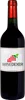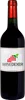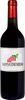
Winery AranjuezCabernet Sauvignon
 Red wine



This wine generally goes well with poultry, beef or lamb.
The Cabernet Sauvignon of the Winery Aranjuez is in the top 60 of wines of Bolivia and in the top 60 of wines of Tarija.

Food and wine pairings with Cabernet Sauvignon
Pairings that work perfectly with Cabernet Sauvignon



Original food and wine pairings with Cabernet Sauvignon

The Cabernet Sauvignon of Winery Aranjuez matches generally quite well with dishes of beef, lamb or spicy food such as recipes of beef with onions chinese style, crusted lamb fillets with sweet spices or pad thai.
Details and technical informations about Winery Aranjuez's Cabernet Sauvignon.
Discover the grape variety: Cabernet-Sauvignon
Structured, tannic reds, deeply coloured, with aromas of blackcurrant, blackberry, cedar, tobacco and graphite, underpinned by firm acidity and fine ageing potential. Cornerstone of the great Médoc estates (Pauillac, Saint-Estèphe, Saint-Julien) and signature of Napa Valley, Coonawarra and Maipo. The world's most planted red variety, a natural cross of Cabernet Franc x Sauvignon Blanc born in Bordeaux.
Last vintages of this wine
The best vintages of Cabernet Sauvignon from Winery Aranjuez are 2012, 0, 2013
Informations about the Winery Aranjuez
The Winery Aranjuez is one of of the world's great estates. It offers 15 wines for sale in the of Tarija to come and discover on site or to buy online.

The wine region of Tarija
Wine capital of Bolivia, ~80% of national vineyard, vines planted between 1,600 and 2,350 m altitude (among the highest in the world). Very sunny dry climate, strong day-night temperature range. Muscat of Alexandria is the signature white king (~70%): aromatic and floral with fresh grape, citrus, white flowers, peach and honey — base of Singani, national spirit comparable to Pisco. Dense Malbec (blackberry, plum, violet, spices), firm Tannat and Cabernet in modern reds.
The word of the wine: Reassembly
During the vinification process, a "cap" is formed at the top of the vats with the solid parts (skin, pulp, pips, etc.), which contain tannins and colouring elements. Pumping over consists of emptying the vat from the bottom and pouring the juice back to the top, in order to mix the cap and the juice and to favour the exchange and the extraction. This old technique allows a better exchange between the solid parts and the liquid.