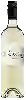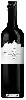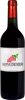
Winery Tierra de LunaAlta Colección Bonarda
 Red wine


In the mouth this red wine is a with a nice freshness.
This wine generally goes well with pork, poultry or veal.

Taste structure of the Alta Colección Bonarda from the Winery Tierra de Luna
Light | Bold | |
Smooth | Tannic | |
Dry | Sweet | |
Soft | Acidic |
In the mouth the Alta Colección Bonarda of Winery Tierra de Luna in the region of Mendoza is a with a nice freshness.
Food and wine pairings with Alta Colección Bonarda
Pairings that work perfectly with Alta Colección Bonarda



Original food and wine pairings with Alta Colección Bonarda

The Alta Colección Bonarda of Winery Tierra de Luna matches generally quite well with dishes of veal, pork or game (deer, venison) such as recipes of beef bourguignon with cookéo, turkey roulades, flavoured sauce or rabbit, cabbage, bacon.
Details and technical informations about Winery Tierra de Luna's Alta Colección Bonarda.
Discover the grape variety: Iona
Simple, aromatic whites with a pale golden robe, a supple palate with preserved acidity. Characteristic foxy aromas of Vitis labrusca (wild strawberry, wild raspberry). Early ripening, cold-hardy. Grown in the north-eastern United States and Canada (Ontario) for simple wines, local sparkling wines and fresh consumption. An American white hybrid derived from Vitis labrusca, discovered around 1855 in New York State.
Last vintages of this wine
The best vintages of Alta Colección Bonarda from Winery Tierra de Luna are 2010, 0
Informations about the Winery Tierra de Luna
The Winery Tierra de Luna is one of of the world's great estates. It offers 10 wines for sale in the of Mendoza to come and discover on site or to buy online.

The wine region of Mendoza
World capital of Malbec: powerful, deep reds with blackberry, plum, violet and sweet spice, round tannins and vivid fruit. Also firm Cabernet Sauvignon, supple, juicy Bonarda, aromatic floral white Torrontés. High-altitude vineyards (800-1,700 m) at the foot of the Andes, dry continental climate irrigated by glacial waters. ~80% of Argentine output across 150,000 ha.
The word of the wine: Rancio
Odour and taste characteristic of certain wines that have undergone oxidative maturation, i.e. in contact with oxygen (vin jaune du Jura, dry rancio du Roussillon, maury, banyuls, rivesaltes, etc.).