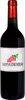
Winery André et Michel QuenardPersan Chignin
 Red wine



This wine generally goes well with beef, game (deer, venison) or mild and soft cheese.

Food and wine pairings with Persan Chignin
Pairings that work perfectly with Persan Chignin



Original food and wine pairings with Persan Chignin

The Persan Chignin of Winery André et Michel Quenard matches generally quite well with dishes of beef, game (deer, venison) or mature and hard cheese such as recipes of shoulder of suckling lamb confit with herbs, duck pot au feu or fondue franc comtoise digeste 100 % comté.
Details and technical informations about Winery André et Michel Quenard's Persan Chignin.
Discover the grape variety: Persan
Elegant, structured reds with a deep ruby robe, firm tannins and fresh alpine acidity of intense red fruits (cherry, raspberry), blackfruit, spices, black pepper, alpine herbs and floral notes (violet). Fine ageing potential. A once near-extinct grape, preserved and now in renaissance for artisanal identity cuvées. Grown in Vin de Savoie AOC and Isère IGP. Native French grape of Savoie and Dauphiné, a rediscovered alpine signature.
Last vintages of this wine
The best vintages of Persan Chignin from Winery André et Michel Quenard are 2019, 0
Informations about the Winery André et Michel Quenard
The Winery André et Michel Quenard is one of of the world's great estates. It offers 34 wines for sale in the of Savoie to come and discover on site or to buy online.

The wine region of Savoie
French Alpine vineyard with unique native grapes. Signature Jacquère in whites (~50% of the vineyard): lively, light dry wines with white flowers, green apple, citrus, fresh almond and a mineral touch, perfect with fondue and raclette. Ampler Altesse (Roussette) (pear, honey, hazelnut). Fruity, peppery Mondeuse reds (cherry, violet, firm tannins), light Gamay and fine Pinot Noir.
The word of the wine: Terroir
Strictly speaking, the notion of terroir corresponds to the geological characteristics of a vineyard. However, when we talk about terroir, we take into account the soil, the climate (even the microclimate), the flora, the fauna, and the human factor that characterizes the practices that make up the art of the craft.