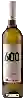
Winery Altas Quintas600 Tinto
 Red wine



In the mouth this red wine is a powerful.
This wine generally goes well with poultry, beef or veal.

Taste structure of the 600 Tinto from the Winery Altas Quintas
Light | Bold | |
Smooth | Tannic | |
Dry | Sweet | |
Soft | Acidic |
In the mouth the 600 Tinto of Winery Altas Quintas in the region of Alentejano is a powerful.
Wine flavors and olphactive analysis


On the nose the 600 Tinto of Winery Altas Quintas in the region of Alentejano often reveals types of flavors of red fruit.
Food and wine pairings with 600 Tinto
Pairings that work perfectly with 600 Tinto



Original food and wine pairings with 600 Tinto

The 600 Tinto of Winery Altas Quintas matches generally quite well with dishes of beef, lamb or veal such as recipes of baeckeoffe, imene's tunisian ojja or oxtail confit in red wine.
Details and technical informations about Winery Altas Quintas's 600 Tinto.
Discover the grape variety: Garganega
Structured, aromatic whites with a round palate and fresh acidity, with aromas of fresh almond, white flowers, yellow apple, pear, citrus and volcanic mineral notes. Typical bitter almond finish. Made as noble dry whites (Soave Classico DOC, Soave Superiore DOCG) and sumptuous passito dessert wines (Recioto di Soave DOCG). Also in Gambellara DOC. Native Venetian variety from the volcanic hills south-east of Verona.
Last vintages of this wine
The best vintages of 600 Tinto from Winery Altas Quintas are 2005, 2007, 2006, 2018 and 2014.
Informations about the Winery Altas Quintas
The Winery Altas Quintas is one of of the world's greatest estates. It offers 20 wines for sale in the of Alentejano to come and discover on site or to buy online.

The wine region of Alentejano
Star of southern Portugal's great reds, sunny and opulent wines. Typical blends: round fruity Aragonez (Tempranillo), spicy Trincadeira, Touriga Nacional (black fruits, violet), deep teinturier Alicante Bouschet, juicy Castelão. Fleshy reds with notes of plum, black cherry, cocoa and sweet spices, melted tannins. Ample fresh Antão Vaz and Arinto whites.
The word of the wine: Marc
Solid part resulting from the pressing of the grape (stalks, pips, skins).