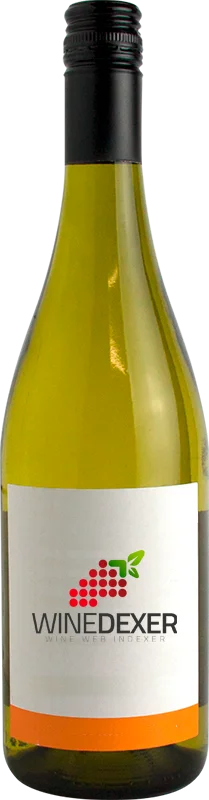
Winery AldingerHanweiler Maien Grüner Veltliner Trocken
 White wine


This wine generally goes well with pork, vegetarian or lean fish.
Food and wine pairings with Hanweiler Maien Grüner Veltliner Trocken
Pairings that work perfectly with Hanweiler Maien Grüner Veltliner Trocken



Original food and wine pairings with Hanweiler Maien Grüner Veltliner Trocken



The Hanweiler Maien Grüner Veltliner Trocken of Winery Aldinger matches generally quite well with dishes of pork, rich fish (salmon, tuna etc) or shellfish such as recipes of basque piperade, steamed salmon marinated in herbs or small cuttlefish a la plancha.
Details and technical informations about Winery Aldinger's Hanweiler Maien Grüner Veltliner Trocken.
Discover the grape variety: Himrod
An interspecific cross between ontario (winchell x diamond) and sultana - it is therefore not a pure Vitis vinifera as some people write - created in 1928 by A.B. Stout at the New York State Agricultural Experimental Station (United States). Its multiplication started only in 1952, it is certainly known in the United States but also in Canada, in India, in many European wine-producing countries, ... little multiplied and thus little known in France except by the amateur gardeners. The Interlaken which looks a bit like the Himrod, the Lakemont and the Romulus have the same parents.
Last vintages of this wine
The best vintages of Hanweiler Maien Grüner Veltliner Trocken from Winery Aldinger are 0
Informations about the Winery Aldinger
The Winery Aldinger is one of of the world's great estates. It offers 83 wines for sale in the of Württemberg to come and discover on site or to buy online.

The wine region of Württemberg
Württemberg is known as Germany's premier red wine region. With almost 11,500 hectares (28,500 acres) of vineyards, it is the fourth-largest wine region in the country. Found adjacent to Baden and South of Franken, Wüttemberg is a particularly hilly and rural wine-region. Almost 70-percent of Württemberg wines are red, predominantly made from Trollinger, SchwarzRiesling and Lemberger.
The word of the wine: Jeroboam
Bottle with a capacity of 5 litres.