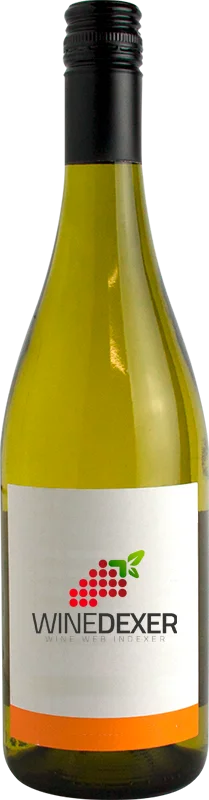
Winery Alberto SerenelliPasserina
 White wine
In the mouth this white wine is a powerful with a nice freshness.
This wine generally goes well with lean fish, shellfish or mature and hard cheese.

Taste structure of the Passerina from the Winery Alberto Serenelli
Light | Bold | |
Dry | Sweet | |
Soft | Acidic |
In the mouth the Passerina of Winery Alberto Serenelli in the region of Veneto is a powerful with a nice freshness.
Food and wine pairings with Passerina
Pairings that work perfectly with Passerina



Original food and wine pairings with Passerina


The Passerina of Winery Alberto Serenelli matches generally quite well with dishes of pasta, shellfish or mature and hard cheese such as recipes of cannelloni with salmon and spinach, mussel clusters or italian stuffed chicken.
Details and technical informations about Winery Alberto Serenelli's Passerina.
Discover the grape variety: Blauburger
Soft, fruity reds with a deep ruby hue, smooth tannins and a straightforward palate featuring signature aromas of red fruits (cherry, blackberry), gentle spices and fresh floral notes. An early-ripening everyday variety. Grown in Austria (Burgenland, Niederösterreich) and Hungary, used for dry reds and everyday blends. Austrian black grape bred in 1923 at Klosterneuburg by Fritz Zweigelt (Portugieser × Blaufränkisch).
Informations about the Winery Alberto Serenelli
The Winery Alberto Serenelli is one of of the world's greatest estates. It offers 12 wines for sale in the of Veneto to come and discover on site or to buy online.

The wine region of Veneto
World star of Prosecco: fresh, light Glera sparklers with notes of pear, green apple and white flowers, fruity, convivial bubbles. Veronese reds from Corvina and Rondinella: light, crisp Bardolino, fruity Valpolicella, opulent, concentrated Amarone DOCG (black cherry, chocolate, raisin) from dried grapes. Mineral, almondy Soave (Garganega) whites, fresh Pinot Grigio. 97,500 ha, Italy's largest production.
The word of the wine: Local wine
Table wine, but with the origin indicated. It corresponds to a particular legislation: the freedom to use grape varieties is greater than for the AOC, but the quality criteria such as the approval tastings can sometimes be more demanding. The legislation is still evolving, but for the moment there are three levels: regional (e.g. Vin de Pays d'Oc), departmental and local (e.g. Côtes de Thongue).







