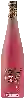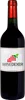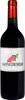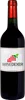
Winery AbiozuriaBizkaiko Txakolina
 Red wine


In the mouth this red wine is a powerful with a nice freshness.
This wine generally goes well with poultry, beef or veal.

Taste structure of the Bizkaiko Txakolina from the Winery Abiozuria
Light | Bold | |
Smooth | Tannic | |
Dry | Sweet | |
Soft | Acidic |
In the mouth the Bizkaiko Txakolina of Winery Abiozuria in the region of El Pais Vasco is a powerful with a nice freshness.
Food and wine pairings with Bizkaiko Txakolina
Pairings that work perfectly with Bizkaiko Txakolina



Original food and wine pairings with Bizkaiko Txakolina

The Bizkaiko Txakolina of Winery Abiozuria matches generally quite well with dishes of beef, pasta or veal such as recipes of fresh sausage, special' tagliatelle carbonara or vienna cutlets.
Details and technical informations about Winery Abiozuria's Bizkaiko Txakolina.
Discover the grape variety: Bargine
Simple, fresh dry whites with a pale golden robe, a supple palate with moderate acidity, and undemonstrative aromas of citrus and white flowers. Rustic, discreet profile. Preserved in a few ampelographic collections, Bargine is an ancient heritage variety with virtually no commercial presence, studied mainly for its genetic interest.
Last vintages of this wine
The best vintages of Bizkaiko Txakolina from Winery Abiozuria are 0, 2015
Informations about the Winery Abiozuria
The Winery Abiozuria is one of of the world's greatest estates. It offers 1 wines for sale in the of El Pais Vasco to come and discover on site or to buy online.

The wine region of El Pais Vasco
Spanish Basque Country (Euskadi) on the Cantabrian coast near Bilbao, humid oceanic climate. Hondarrabi Zuri is the signature white for Txakoli: dry, lively and slightly sparkling with citrus, green apple, white flowers and saline iodine notes, cutting acidity and low alcohol - poured from height to release the pétillant, the pintxos companion. Hondarrabi Beltza for light reds and crisp rosés. Three DOs: Getariako, Bizkaiko and Arabako Txakolina.
The word of the wine: Alcoholic fermentation
Transformation of sugars into alcohol under the effect of yeast. These yeasts exist in their natural state in the vineyards and in the cellars. Artificial seeding with selected yeasts is however very often practiced.