Wines made from Müller-Thurgau grapes of Hungary
Discover the best wines made with Müller-Thurgau as a single variety or as a blend of Hungary.
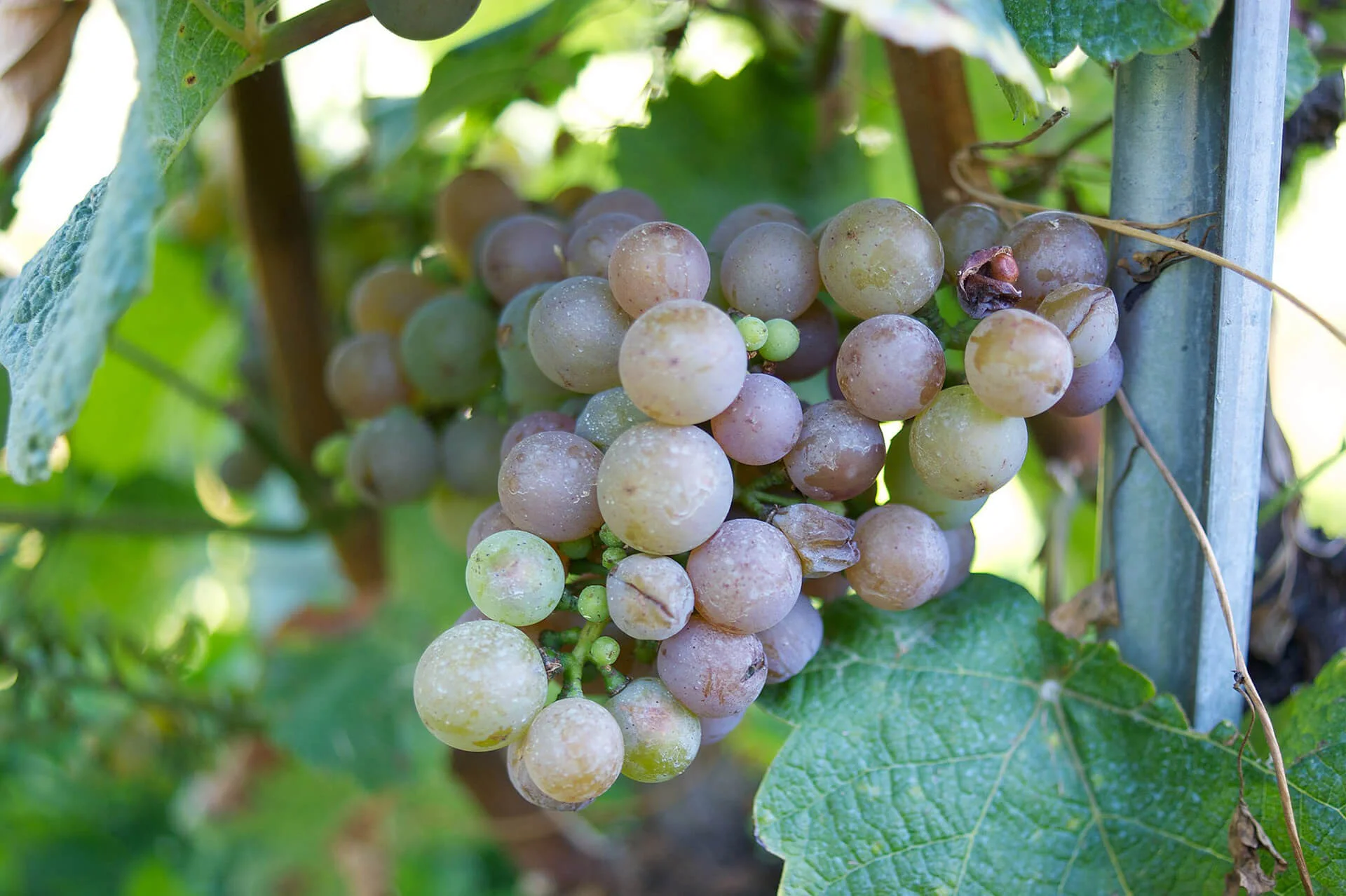
Discover the best wines made with Müller-Thurgau as a single variety or as a blend of Hungary.
Light, aromatic whites with a tender palate and moderate acidity, with muscat-like aromas of white flowers, apple, citrus, peach and honeyed notes. Made as easy dry whites, popular semi-dry wines and some sparkling cuvées. Widely planted in Germany (Rheinhessen, Baden), northern Italy (Alto Adige, Trentino), Austria, Switzerland, Hungary and Japan. Cross of riesling × madeleine royale created in 1882 by Hermann Müller in Geisenheim.
Hungary, in Central Europe, has earned its reputation in the wine world with only a few styles of wine, but for centuries it has been a wine-producing nation of considerable diversity. In addition to the Sweet wines of Tokaj and the Bull's Blood of Eger, Hungary's wine range includes Dry whites from the shores of Lake Balaton, Somló and Neszmély, and finer reds from a variety of regions, including Villány, Sopron and Szekszard. Hungarian wine culture dates back to Roman times and has survived many political, religious and economic challenges, including Islamic rule in the 16th century (when Alcohol was banned) and the Phylloxera epidemic in the late 19th century. The modern Hungarian wine regions are spread throughout the country.