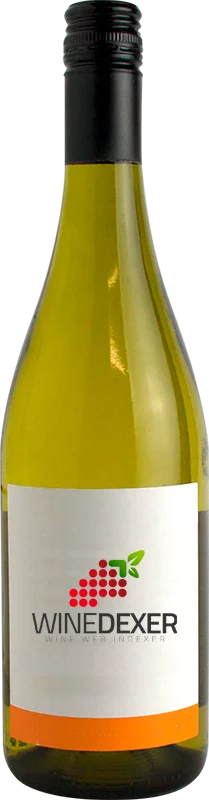
Winery Kősziklás BorászatRizlingszilváni
 White wine


This wine generally goes well with
The Rizlingszilváni of the Winery Kősziklás Borászat is in the top 20 of wines of Neszmély.

Details and technical informations about Winery Kősziklás Borászat's Rizlingszilváni.
Discover the grape variety: Müller-Thurgau
Light, aromatic whites with a tender palate and moderate acidity, with muscat-like aromas of white flowers, apple, citrus, peach and honeyed notes. Made as easy dry whites, popular semi-dry wines and some sparkling cuvées. Widely planted in Germany (Rheinhessen, Baden), northern Italy (Alto Adige, Trentino), Austria, Switzerland, Hungary and Japan. Cross of riesling × madeleine royale created in 1882 by Hermann Müller in Geisenheim.
Last vintages of this wine
The best vintages of Rizlingszilváni from Winery Kősziklás Borászat are 0
Informations about the Winery Kősziklás Borászat
The Winery Kősziklás Borászat is one of of the world's greatest estates. It offers 25 wines for sale in the of Neszmély to come and discover on site or to buy online.

The wine region of Neszmély
Northwest Hungarian region (Ászár-Neszmély), south bank of the Danube, loess and limestone soils, continental climate with strong thermal amplitude preserving acidity. Olaszrizling and Királyleányka signature indigenous white kings: lively and aromatic with citrus, green apple, herbs, white flowers and mineral touch, taut thirst-quenching acidity. Spiced Tramini (rose, lychee), ample Chardonnay and round Pinot Gris as complement. Crisp dry everyday Magyar whites.
The wine region of Észak-Dunántúl
Northern Transdanubia wine region (northern Hungary) grouping Etyek-Buda, Neszmély, Mór and Pannonhalma, with limestone and volcanic soils at Mór. Nearly exclusively white wines: Olaszrizling (Welschriesling) ample with apple, citrus, almond and honeyed touch. Opulent Chardonnay, lively Sauvignon Blanc, floral Tramini and fragrant Muscat Ottonel. Ezerjó generous on volcanic soils.
The word of the wine: Basic wine
Dry, still wine intended for the production of sparkling wines (champagne, crémants, etc.). The basic wines undergo a second fermentation in the bottle for the production of carbon dioxide, and therefore of bubbles.