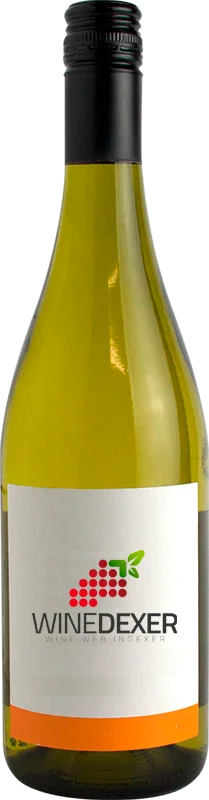
Winery Kősziklás BorászatIrsai Olivér
 White wine


This wine generally goes well with
The Irsai Olivér of the Winery Kősziklás Borászat is in the top 10 of wines of Neszmély.

Wine flavors and olphactive analysis

Details and technical informations about Winery Kősziklás Borászat's Irsai Olivér.
Discover the grape variety: Grolleau
Vibrant and fruity rosés with a pale salmon colour, a tender palate and fresh acidity, on aromas of strawberry, raspberry, redcurrant, candy and spring flowers. Light and thirst-quenching finish. Star of Rosé d'Anjou AOC (a pleasing off-dry rosé) and backbone of Loire and Touraine rosés. Occasionally vinified as light reds and sparkling rosés. Native Loire grape from Anjou and Touraine, once the most widely planted variety in Anjou before Cabernet Franc.
Last vintages of this wine
The best vintages of Irsai Olivér from Winery Kősziklás Borászat are 2019, 2018, 2017, 0
Informations about the Winery Kősziklás Borászat
The Winery Kősziklás Borászat is one of of the world's greatest estates. It offers 25 wines for sale in the of Neszmély to come and discover on site or to buy online.

The wine region of Neszmély
Northwest Hungarian region (Ászár-Neszmély), south bank of the Danube, loess and limestone soils, continental climate with strong thermal amplitude preserving acidity. Olaszrizling and Királyleányka signature indigenous white kings: lively and aromatic with citrus, green apple, herbs, white flowers and mineral touch, taut thirst-quenching acidity. Spiced Tramini (rose, lychee), ample Chardonnay and round Pinot Gris as complement. Crisp dry everyday Magyar whites.
The wine region of Észak-Dunántúl
Northern Transdanubia wine region (northern Hungary) grouping Etyek-Buda, Neszmély, Mór and Pannonhalma, with limestone and volcanic soils at Mór. Nearly exclusively white wines: Olaszrizling (Welschriesling) ample with apple, citrus, almond and honeyed touch. Opulent Chardonnay, lively Sauvignon Blanc, floral Tramini and fragrant Muscat Ottonel. Ezerjó generous on volcanic soils.
The word of the wine: Jeroboam
Bottle with a capacity of 5 litres.