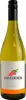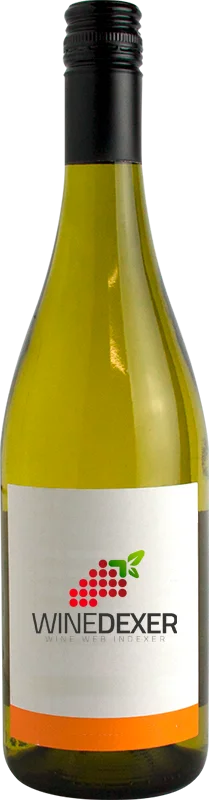
Winery Kősziklás BorászatJuhfark
 White wine


This wine generally goes well with
The Juhfark of the Winery Kősziklás Borászat is in the top 10 of wines of Észak-Dunántúl.



Details and technical informations about Winery Kősziklás Borászat's Juhfark.
Discover the grape variety: Brachet
Light, fruity reds with a clear ruby robe, soft tannins and an airy palate with preserved acidity on red fruit (cherry, raspberry) and Mediterranean spices from the Nice terroir. Airy profile. Blended into Bellet AOC wines, contributing to the unique identity of Nice wines alongside Folle Noire and Braquet. No kinship with Piedmontese Brachetto. Autochthonous black Provençal variety from the Alpes-Maritimes.
Last vintages of this wine
The best vintages of Juhfark from Winery Kősziklás Borászat are 2013, 0
Informations about the Winery Kősziklás Borászat
The Winery Kősziklás Borászat is one of of the world's greatest estates. It offers 25 wines for sale in the of Észak-Dunántúl to come and discover on site or to buy online.

The wine region of Észak-Dunántúl
Northern Transdanubia wine region (northern Hungary) grouping Etyek-Buda, Neszmély, Mór and Pannonhalma, with limestone and volcanic soils at Mór. Nearly exclusively white wines: Olaszrizling (Welschriesling) ample with apple, citrus, almond and honeyed touch. Opulent Chardonnay, lively Sauvignon Blanc, floral Tramini and fragrant Muscat Ottonel. Ezerjó generous on volcanic soils.
The word of the wine: Servadou iron
A black grape variety from the southwest that produces a wine with spicy tannins and black currant and raspberry aromas. Under the name of Mansois, it is the main grape variety of Marcillac; it is also one of the important varieties of Gaillacois, where it is called Braucol. It is also used in the blends of other South-Western appellations (Fronton, Lavilledieu, Estaing, Madiran). Syn.: braucol, pinenc, mansois.