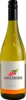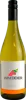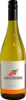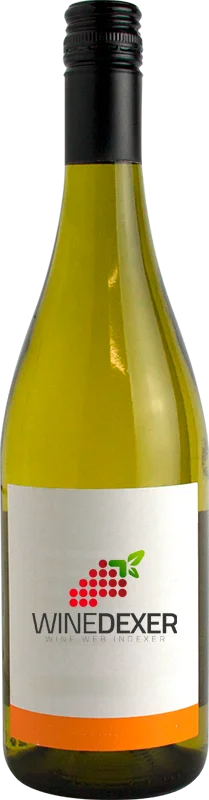
Winery HilltopKamocsay Ákos Irsai Olivér
 White wine


This wine generally goes well with
The Kamocsay Ákos Irsai Olivér of the Winery Hilltop is in the top 10 of wines of Neszmély.

Wine flavors and olphactive analysis



On the nose the Kamocsay Ákos Irsai Olivér of Winery Hilltop in the region of Észak-Dunántúl often reveals types of flavors of earth, tree fruit or citrus fruit and sometimes also flavors of tropical fruit.
Details and technical informations about Winery Hilltop's Kamocsay Ákos Irsai Olivér.
Discover the grape variety: Caberlot
Structured, elegant, age-worthy reds with a deep purple colour, firm tannins and an ample palate showing complex aromas of black fruits (cassis, blackberry), spices, balsamic notes and toasty nuances from ageing. A coveted, confidential cult wine. Grown almost exclusively by the Rogosky family in Tuscany (Podere Il Carnasciale) for a mythical single-estate cuvée. A rare Italian variety, a spontaneous cross of Cabernet Franc × Merlot discovered in Tuscany in the 1960s.
Last vintages of this wine

The best vintages of Kamocsay Ákos Irsai Olivér from Winery Hilltop are 2017, 2014, 2016, 2015 and 0.
Informations about the Winery Hilltop
The Winery Hilltop is one of of the world's greatest estates. It offers 74 wines for sale in the of Neszmély to come and discover on site or to buy online.

The wine region of Neszmély
Northwest Hungarian region (Ászár-Neszmély), south bank of the Danube, loess and limestone soils, continental climate with strong thermal amplitude preserving acidity. Olaszrizling and Királyleányka signature indigenous white kings: lively and aromatic with citrus, green apple, herbs, white flowers and mineral touch, taut thirst-quenching acidity. Spiced Tramini (rose, lychee), ample Chardonnay and round Pinot Gris as complement. Crisp dry everyday Magyar whites.
The wine region of Észak-Dunántúl
Northern Transdanubia wine region (northern Hungary) grouping Etyek-Buda, Neszmély, Mór and Pannonhalma, with limestone and volcanic soils at Mór. Nearly exclusively white wines: Olaszrizling (Welschriesling) ample with apple, citrus, almond and honeyed touch. Opulent Chardonnay, lively Sauvignon Blanc, floral Tramini and fragrant Muscat Ottonel. Ezerjó generous on volcanic soils.
The word of the wine: Muscat blanc à petits grains
A white grape variety cultivated since antiquity on the shores of the Mediterranean, it is considered the noblest of the muscats. It is mainly used to make sweet wines, often from mutage. In France, it is the sole variety used in many natural sweet wines: muscat-de-frontignan, muscat-de-mireval, muscat-de-lunel, muscat-de-saint-jean-de-minervois, muscat-de-beaumes-de-venise, muscat-du-cap-corse. Combined with Muscat d'Alexandrie, it gives Muscat-de-Rivesaltes. It is also used to make sparkling white wines (clairette-de-die; moscato d'asti and asti spumante in Italy) and dry wines (alsace-muscat). Powerfully aromatic and complex, its wines evoke fresh grapes, roses, exotic fruits, citrus fruits and spices.