Wines made from Müller-Thurgau grapes of Sachsen
Discover the best wines made with Müller-Thurgau as a single variety or as a blend of Sachsen.
Discover the best wines made with Müller-Thurgau as a single variety or as a blend of Sachsen.
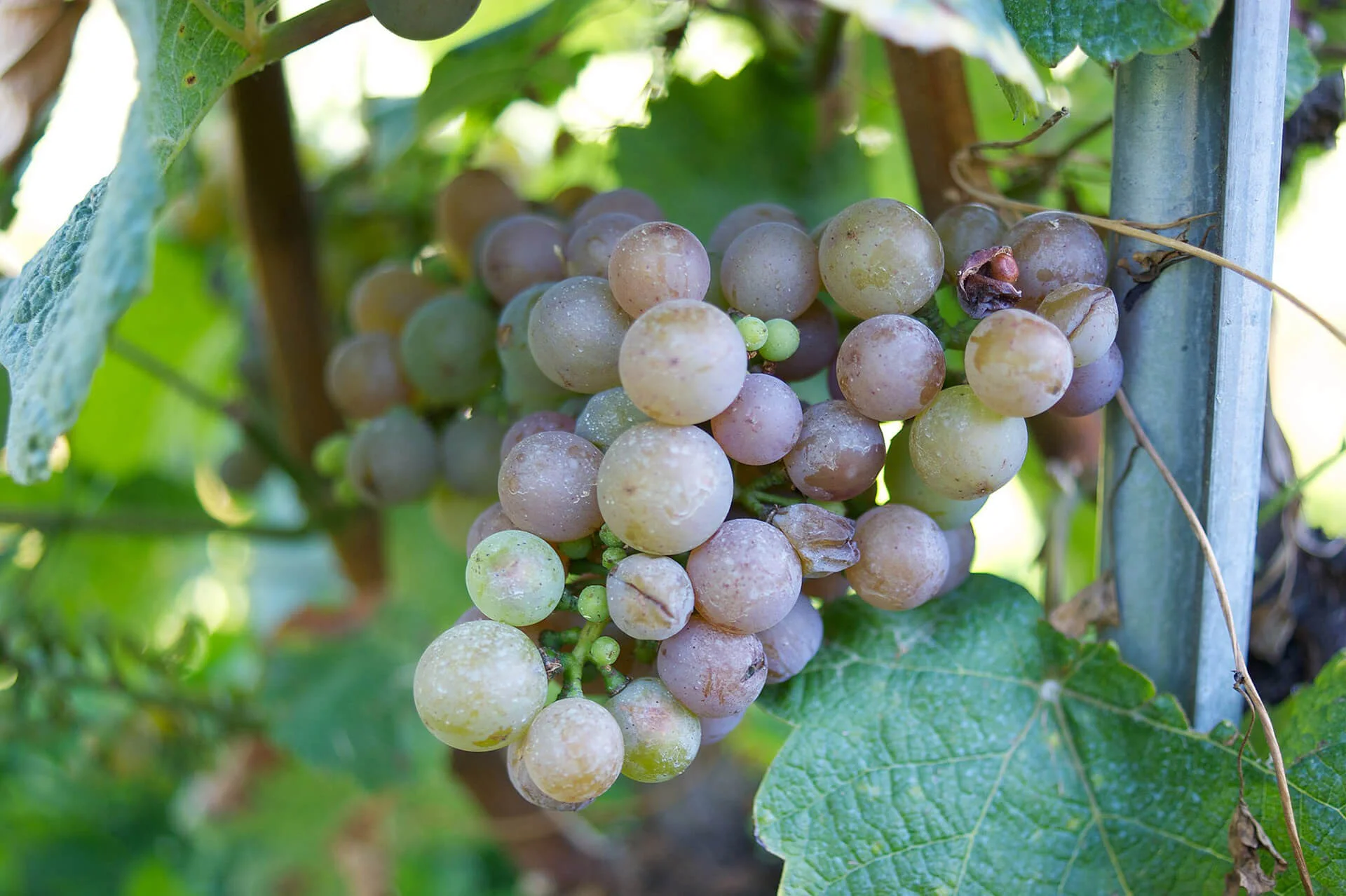
Light, aromatic whites with a tender palate and moderate acidity, with muscat-like aromas of white flowers, apple, citrus, peach and honeyed notes. Made as easy dry whites, popular semi-dry wines and some sparkling cuvées. Widely planted in Germany (Rheinhessen, Baden), northern Italy (Alto Adige, Trentino), Austria, Switzerland, Hungary and Japan. Cross of riesling × madeleine royale created in 1882 by Hermann Müller in Geisenheim.
The northernmost and one of the smallest German wine regions (507 ha), the Elbe valley on loess and granite. Lively, mineral whites largely dominate (81%). Signature Müller-Thurgau with signature notes of light muscat, green apple, white flowers and a citrus touch, supple palate. Taut, chiselled Riesling (lemon, peach), round Weißburgunder (pear, almond), ample Grauburgunder, rare aromatic Goldriesling.