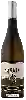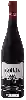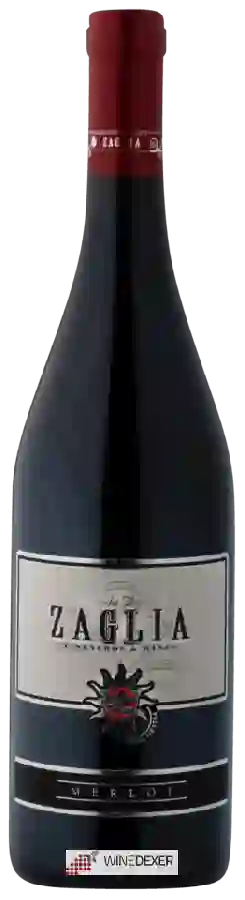
Winery ZagliaMerlot
 Red wine


In the mouth this red wine is a .
This wine generally goes well with beef, game (deer, venison) or lamb.

Taste structure of the Merlot from the Winery Zaglia
Light | Bold | |
Smooth | Tannic | |
Dry | Sweet | |
Soft | Acidic |
In the mouth the Merlot of Winery Zaglia in the region of Friuli-Venezia Giulia is a .
Food and wine pairings with Merlot
Pairings that work perfectly with Merlot



Original food and wine pairings with Merlot

The Merlot of Winery Zaglia matches generally quite well with dishes of beef, pasta or lamb such as recipes of authentic bolognese sauce (ragù di carne), thai coconut chicken with black mushrooms or eggplant moussaka with lamb.
Details and technical informations about Winery Zaglia's Merlot.
Discover the grape variety: Merlot
Round and fleshy reds with a velvety texture, showing aromas of ripe plum, black cherry, cocoa and truffle notes with age. Supple tannins, generous alcohol, indulgent finish. Pillar of Libournais (Pomerol with Pétrus, Saint-Émilion with Cheval Blanc and Ausone) and signature of Super Tuscans, Italian Wales and Washington State. A cross of Cabernet Franc × Magdeleine Noire, France's most planted red variety.
Last vintages of this wine

The best vintages of Merlot from Winery Zaglia are 2016, 0, 2018
Informations about the Winery Zaglia
The Winery Zaglia is one of of the world's greatest estates. It offers 15 wines for sale in the of Friuli-Venezia Giulia to come and discover on site or to buy online.

The wine region of Friuli-Venezia Giulia
Italian benchmark of great whites of elegance and minerality. Emblematic Friulano with notes of fresh almond, pear and white flowers, taut Ribolla Gialla, precise Pinot Grigio, lively Sauvignon and balanced Chardonnay. Rare sweet Picolit (DOCG), saline Malvasia Istriana. Rising reds: fruity spicy Refosco, more tannic Pignolo and Schioppettino.
The word of the wine: Extraction
All the methods (pumping over, punching down) that allow the colour and tannins to be extracted from the grape skin during maceration, before fermentation begins. It is also possible to macerate after fermentation, but gently, so as not to extract the tannins from the seeds, which are greener. Because of its solvent power, alcohol favours extraction.