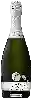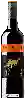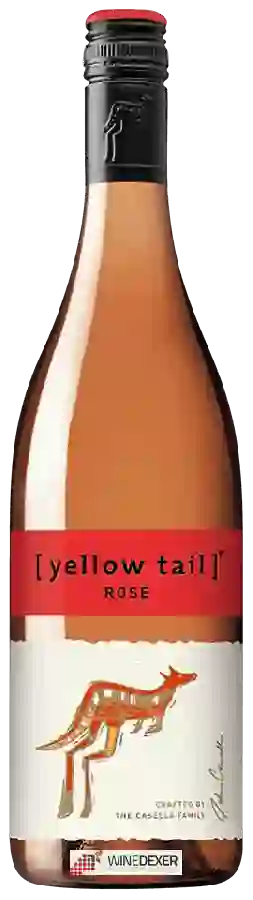
Winery Yellow TailRosé
 Pink wine


This wine generally goes well with beef, lamb or mature and hard cheese.

Wine flavors and olphactive analysis



On the nose the Rosé of Winery Yellow Tail in the region of Australie du Sud-Est often reveals types of flavors of earth, tree fruit or citrus fruit and sometimes also flavors of red fruit, tropical fruit.
Food and wine pairings with Rosé
Pairings that work perfectly with Rosé



Original food and wine pairings with Rosé

The Rosé of Winery Yellow Tail matches generally quite well with dishes of beef, lamb or spicy food such as recipes of authentic bolognese sauce (ragù di carne), leg or shoulder of lamb with honey and thyme or lomo saltado.
Details and technical informations about Winery Yellow Tail's Rosé.
Discover the grape variety: Souzao
Intensely coloured, tangy reds with an almost black deep ruby robe, firm tannins and a dense, high-acidity palate, showing signature aromas of black fruits (blackberry, cassis), black cherry, spice and balsamic notes. A traditional component of vintage Port, contributing colour and acidity, present in dry reds from Douro DOC, also grown in California. The synonym for Portuguese Sousão, identical to Vinhão and Galician Sousón.
Last vintages of this wine

The best vintages of Rosé from Winery Yellow Tail are 2013, 2008, 2014, 2016 and 2019.
Informations about the Winery Yellow Tail
The Winery Yellow Tail is one of of the world's great estates. It offers 60 wines for sale in the of Australie du Sud-Est to come and discover on site or to buy online.

The wine region of Australie du Sud-Est
Macro blending zone covering the southern half of the country (NSW, Victoria, Tasmania, parts of SA and QLD). Accessible, vintage-consistent brand wines: supple fruity Shiraz (blackberry, sweet spice), round Cabernet Sauvignon, gourmet Merlot, opulent Chardonnay (yellow fruit, vanilla), lively Sauvignon Blanc, lemony Sémillon. Status created for export and major international brands. From aperitif to everyday, an affordable, fruity expression of the Australian style.
The word of the wine: Runoff
Failure of the vine flower to fertilize at the time of flowering, when the weather is too cold or rainy. Under these conditions, the vine will have few or no clusters.