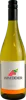
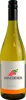
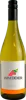
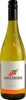
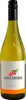
Winery YamazakiForest Sauvignon Blanc
 White wine



This wine generally goes well with vegetarian, rich fish (salmon, tuna etc) or shellfish.
The Forest Sauvignon Blanc of the Winery Yamazaki is in the top 80 of wines of Hokkaidō-ken.

Food and wine pairings with Forest Sauvignon Blanc
Pairings that work perfectly with Forest Sauvignon Blanc



Original food and wine pairings with Forest Sauvignon Blanc
The Forest Sauvignon Blanc of Winery Yamazaki matches generally quite well with dishes of rich fish (salmon, tuna etc), shellfish or vegetarian such as recipes of spaghetti with salmon, scallops with coconut cream or quiche with leeks and fresh salmon from flo.
Details and technical informations about Winery Yamazaki's Forest Sauvignon Blanc.
Discover the grape variety: Gamay de Chaudenay
Intensely coloured, simple reds with an opaque purple robe (red pulp), supple tannins and a light palate with moderate acidity, featuring discreet aromas of red fruits. Teinturier profile. Once used to intensify the colour of blends, now marginal and surviving in a few plots in Beaujolais and Burgundy as well as in ampelographic collections. Teinturier mutation of Gamay, obtained at Chaudenay in the 19th century.
Last vintages of this wine
The best vintages of Forest Sauvignon Blanc from Winery Yamazaki are 2018, 2016, 0, 2017
Informations about the Winery Yamazaki
The Winery Yamazaki is one of of the world's greatest estates. It offers 22 wines for sale in the of Hokkaidō-ken to come and discover on site or to buy online.

The wine region of Hokkaidō-ken
Japan's northernmost island (43°N, Burgundy latitude), cool-climate region on the rise. Signature Pinot Noir tailored for cold: fine, silky reds with signature tart cherry, raspberry, undergrowth, sweet spice and a mineral touch, delicate tannins and taut freshness — compared to cool-vintage Burgundies. Kerner (German crossing) in aromatic muscat-scented white (citrus, peach, flowers). Also precise Chardonnay, supple Zweigelt.
The word of the wine: Phenolic ripeness
A distinction is made between the ripeness of sugars and acids and the ripeness of tannins and other compounds such as anthocyanins and tannins, which will bring structure and colour. Grapes can be measured at 13° potential without having reached this phenolic maturity. Vinified at this stage, they will give hard, astringent wines, without charm.