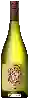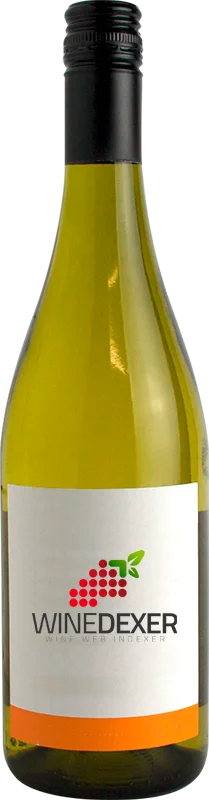
Winery WyangaGewürztraminer
 White wine
This wine generally goes well with poultry, rich fish (salmon, tuna etc) or mild and soft cheese.
Wine flavors and olphactive analysis

Food and wine pairings with Gewürztraminer
Pairings that work perfectly with Gewürztraminer



Original food and wine pairings with Gewürztraminer


The Gewürztraminer of Winery Wyanga matches generally quite well with dishes of rich fish (salmon, tuna etc), spicy food or sweet desserts such as recipes of potato and tuna gratin, hawaiian pizza or plain cupcakes.
Details and technical informations about Winery Wyanga's Gewürztraminer.
Discover the grape variety: Gewurztraminer
Gewurztraminer rosé is a grape variety that originated in France. It produces a variety of grape specially used for wine making. It is rare to find this grape to eat on our tables. This variety of vine is characterized by small bunches and small grapes. Gewurztraminer rosé can be found in many vineyards: Alsace, Loire Valley, Languedoc & Roussillon, Jura, Champagne, Lorraine, Provence & Corsica, Rhone Valley, Savoie & Bugey, Beaujolais, South West.
Informations about the Winery Wyanga
The Winery Wyanga is one of of the world's great estates. It offers 12 wines for sale in the of Victoria to come and discover on site or to buy online.

The wine region of Victoria
Victoria is a relatively small but important Australian wine state. Located in the Southeastern corner of the continent, with a generally cool, ocean-influenced Climate, Victorian wine is remarkably diverse, producing all sorts of wines and styles in different climates. In all, the state covers almost 250,000 square kilometres (over 90,000 square miles) of land (almost the same Size as the US state of Texas), well under a quarter the size of its western neighbour, South Australia, and less than a third the size of New South Wales to the North. As such, Victoria's size - and to some extent, the state's viticultural history - can defy generalization.
The word of the wine: Ovoids (tanks)
Egg-shaped vats used for wine making and maturing that favour the natural suspension of the lees thanks to the vortex movements, which give the wine more fat and fruity aromas.