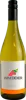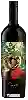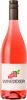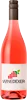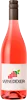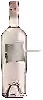
Winery WINCCocomero
 Pink wine


This wine generally goes well with pork, poultry or mild and soft cheese.

Wine flavors and olphactive analysis




On the nose the Cocomero of Winery WINC in the region of California often reveals types of flavors of cherry, citrus or red fruit and sometimes also flavors of strawberries, raspberry or lemon.
Food and wine pairings with Cocomero
Pairings that work perfectly with Cocomero



Original food and wine pairings with Cocomero

The Cocomero of Winery WINC matches generally quite well with dishes of pork, spicy food or poultry such as recipes of eggs in meurette, red mullet fillets in saffron sauce or zucchini and goat cheese quiche.
Details and technical informations about Winery WINC's Cocomero.
Discover the grape variety: Muska noir
Light, fruity reds with a pale ruby robe, soft tannins, and an airy palate with moderate acidity, offering understated red-fruit aromas. A discreet, rustic Provençal profile. Nearly extinct, preserved in INRAE varietal collections for its heritage value, it bears witness to the pre-phylloxera ampelographic diversity of southern France.
Last vintages of this wine

The best vintages of Cocomero from Winery WINC are 2017, 2018, 2015, 2016 and 2014.
Informations about the Winery WINC
The Winery WINC is one of of the world's great estates. It offers 163 wines for sale in the of California to come and discover on site or to buy online.

The wine region of California
Powerful, sunny reds: dense Napa Cabernet Sauvignon (blackcurrant, chocolate, tobacco, ample tannins), spicy, jammy Zinfandel from the Sierra Foothills, silky red-fruited Pinot Noir on the cool coast (Sonoma, Russian River, Central Coast). Opulent, buttery Chardonnay, notes of yellow fruit and vanilla. Varied climate, from the hot interior to the Pacific-cooled coast. 80% of US production, 139 AVAs including Napa (1st AVA, 1981).
The word of the wine: Tanin
A natural compound contained in the skin of the grape, the seed or the woody part of the bunch, the stalk. The maceration of red wines allows the extraction of tannins, which give the texture, the solidity and also the mellowness when the tannins are "ripe". The winemaker seeks above all to extract the tannins from the skin, the ripest and most noble. The tannins of the seed or stalk, which are "greener", especially in average years, give the wine hardness and astringency. The wines of Bordeaux (based on Cabernet and Merlot) are full of tannins, those of Burgundy much less so, with Pinot Noir containing little.