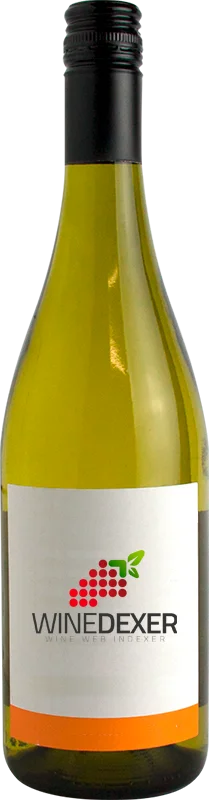
Winery WieslochMalscher Ölbaum Weissburgunder Lieblich Kabinett
 White wine
In the mouth this white wine is a with a nice freshness.
This wine generally goes well with rich fish (salmon, tuna etc), shellfish or mild and soft cheese.

Taste structure of the Malscher Ölbaum Weissburgunder Lieblich Kabinett from the Winery Wiesloch
Light | Bold | |
Dry | Sweet | |
Soft | Acidic |
In the mouth the Malscher Ölbaum Weissburgunder Lieblich Kabinett of Winery Wiesloch in the region of Baden is a with a nice freshness.
Food and wine pairings with Malscher Ölbaum Weissburgunder Lieblich Kabinett
Pairings that work perfectly with Malscher Ölbaum Weissburgunder Lieblich Kabinett



Original food and wine pairings with Malscher Ölbaum Weissburgunder Lieblich Kabinett

The Malscher Ölbaum Weissburgunder Lieblich Kabinett of Winery Wiesloch matches generally quite well with dishes of rich fish (salmon, tuna etc), shellfish or mild and soft cheese such as recipes of fish pot, creamy tomato squid or croque-monsieur with tuna.
Details and technical informations about Winery Wiesloch's Malscher Ölbaum Weissburgunder Lieblich Kabinett.
Discover the grape variety: Malvasia nera di Basilicata
Supple, aromatic reds with a deep ruby hue, moderate tannins and a light palate, showing aromas of dark fruits (blackberry, blackcurrant), violet, soft spices and floral notes. Fragrant, approachable profile. Often blended with Aglianico, it adds roundness and fruitiness to the reds of Vulture and southern Lucanian appellations. Black Malvasia variety grown in Basilicata, southern Italy.
Informations about the Winery Wiesloch
The Winery Wiesloch is one of of the world's great estates. It offers 80 wines for sale in the of Baden to come and discover on site or to buy online.

The wine region of Baden
German capital of Pinot Noir (Spätburgunder): silky, fine reds with notes of red fruits, cherry, undergrowth and sweet spices, melted tannins. Round Grauburgunder (Pinot Gris), lively Weissburgunder, supple Müller-Thurgau, mineral Riesling. Germany's 3rd region (15,000 ha) in Baden-Württemberg facing Alsace, one of the country's warmest climates, volcanic soils at the Kaiserstuhl. Cradle of modern great German reds, elegant and fine.
The word of the wine: Pinot meunier
Cultivated in the 19th century in all the northern vineyards, this black grape variety has largely regressed since. Very present in the Marne valley, it constitutes a third of the vineyards in Champagne, alongside pinot noir and chardonnay with which it is often blended. It brings roundness and red and yellow fruit aromas to champagnes. Pinot meunier is also the dominant grape variety in red and rosé wines in the Orleans AOC and the rare Touraine-Noble-Joué, a grey wine. Syn.: meunier.