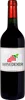
Weingut SchwanSpätburgunder Trocken
 Red wine



In the mouth this red wine is a with a nice freshness.
This wine generally goes well with poultry, beef or veal.

Taste structure of the Spätburgunder Trocken from the Weingut Schwan
Light | Bold | |
Smooth | Tannic | |
Dry | Sweet | |
Soft | Acidic |
In the mouth the Spätburgunder Trocken of Weingut Schwan in the region of Pfalz is a with a nice freshness.
Food and wine pairings with Spätburgunder Trocken
Pairings that work perfectly with Spätburgunder Trocken



Original food and wine pairings with Spätburgunder Trocken

The Spätburgunder Trocken of Weingut Schwan matches generally quite well with dishes of beef, veal or game (deer, venison) such as recipes of salmon with cream sauce, pork chops with veal stock sauce or roast duck breast or duck fillet with dried apricots.
Details and technical informations about Weingut Schwan's Spätburgunder Trocken.
Discover the grape variety: Lameiro
Lively, fruity whites to drink young with a pale golden robe, an airy, low-alcohol palate with marked acidity, and signature aromas of citrus (lemon), green apple, white flowers and fresh herbal notes. A nervy, thirst-quenching profile. Very little-known, used locally in traditional Vinho Verde DOC blends, preserved for its patrimonial interest. A Portuguese white grape grown in the Monção sub-region of northern Minho.
Last vintages of this wine
The best vintages of Spätburgunder Trocken from Weingut Schwan are 0
Informations about the Weingut Schwan
The Weingut Schwan is one of of the world's greatest estates. It offers 33 wines for sale in the of Pfalz to come and discover on site or to buy online.

The wine region of Pfalz
Fleshy, dry, fruity Riesling is the region's signature: yellow peach, apricot, ripe citrus, lovely mineral tension. Germany's largest red-wine area (40%), with silky Spätburgunder showing red fruit and spice, darker structured Dornfelder, supple Portugieser. Some rounded Pinot Blanc and Pinot Gris. A 23,640 ha vineyard along the Haardt, among Germany's warmest (>2,000 h of sun).
The word of the wine: Village
Term used in certain regions to identify a particular sector within a larger appellation (Beaujolais, Côtes-du-Rhône).