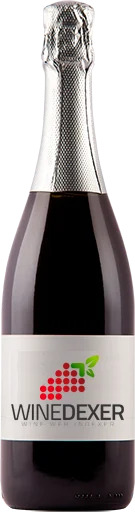
Weingut PieperSauvignon Blanc Brut
 Sparkling wine


This wine generally goes well with vegetarian, rich fish (salmon, tuna etc) or shellfish.

Food and wine pairings with Sauvignon Blanc Brut
Pairings that work perfectly with Sauvignon Blanc Brut



Original food and wine pairings with Sauvignon Blanc Brut
The Sauvignon Blanc Brut of Weingut Pieper matches generally quite well with dishes of rich fish (salmon, tuna etc), shellfish or vegetarian such as recipes of grilled sea bass with herbs, scallops with saffron or zucchini quiche.
Details and technical informations about Weingut Pieper's Sauvignon Blanc Brut.
Discover the grape variety: Gramon
Simple, light, fruity reds with a pale ruby colour, silky tannins and an airy palate with moderate acidity. Understated aromas of southern red fruits. Discrete rustic profile. Nearly gone from commercial cultivation, preserved in INRAE varietal collections; it reflects the pre-phylloxera ampelographic diversity of the southern vineyard. A rare French black grape, once grown in the South.
Last vintages of this wine
The best vintages of Sauvignon Blanc Brut from Weingut Pieper are 0
Informations about the Weingut Pieper
The Weingut Pieper is one of of the world's greatest estates. It offers 51 wines for sale in the of Mittelrhein to come and discover on site or to buy online.

The wine region of Mittelrhein
Confidential gem of the German Middle Rhine, a UNESCO landscape. Signature Riesling (~65%): pure, chiselled whites with signature notes of lime, green apple, white peach, white flowers and marked slate minerality ("gunflint"), taut acidity and crystalline tension — from dry to sweet. Also light Müller-Thurgau and fine Spätburgunder (Pinot Noir). ~461 ha on vertiginous terraces over steep schist overlooking the river.
The word of the wine: Black Grenache
Grenache is a black grape variety that originated in Spain and is one of the great quality varieties of southern France. Sometimes vinified on its own, it is most often blended with one or more other Rhone or southern grape varieties with complementary qualities such as Syrah, Mourvèdre, Carignan or Cinsault. Its wines are warm, with aromas of red fruits (cherry) and spices; they oxidize with time. Vinified alone or in very large proportions, Grenache Noir also makes great natural sweet wines in Roussillon (Rivesaltes, Banyuls, Maury) and in the Rhône Valley (Rasteau).