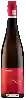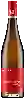
Weingut Dr. SchneiderSpätburgunder
 Red wine


In the mouth this red wine is a with a nice freshness.
This wine generally goes well with poultry, beef or veal.
Taste structure of the Spätburgunder from the Weingut Dr. Schneider
Light | Bold | |
Smooth | Tannic | |
Dry | Sweet | |
Soft | Acidic |
In the mouth the Spätburgunder of Weingut Dr. Schneider in the region of Baden is a with a nice freshness.
Food and wine pairings with Spätburgunder
Pairings that work perfectly with Spätburgunder



Original food and wine pairings with Spätburgunder

The Spätburgunder of Weingut Dr. Schneider matches generally quite well with dishes of beef, veal or game (deer, venison) such as recipes of baked marrow bones, vital tone / vitello tonnato (italy) or rack of lamb with herbs.
Details and technical informations about Weingut Dr. Schneider's Spätburgunder.
Discover the grape variety: Carla
Intraspecific crossing between the Cardinal and the Alphonse Lavallée obtained in 1958, variety registered in 1989 in the Official Catalogue of table grape varieties list A1.
Last vintages of this wine
The best vintages of Spätburgunder from Weingut Dr. Schneider are 0
Informations about the Weingut Dr. Schneider
The Weingut Dr. Schneider is one of of the world's greatest estates. It offers 19 wines for sale in the of Baden to come and discover on site or to buy online.

The wine region of Baden
Baden is the southernmost of Germany's 13 official wine regions. It is also the warmest. Its relatively sunny, DryClimate permits the production of good-quality Spätburgunder (Pinot Noir) and ripe, relatively Full-bodied">Full-bodied examples of Grauburgunder (Pinot Gris) and Weissburgunder (Pinot Blanc). These are often made in oaked styles.
The word of the wine: Phylloxera
Aphid that came from America and ravaged European vineyards at the end of the 19th century. It lives on the roots of the vine, from which it pumps the sap. The only vines capable of resisting it had to be imported from the United States, and then grafted onto their root system the wood of traditional French grape varieties. Today, grafted vines are always planted.