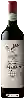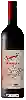
Winery Wallaroo TrailBin-Lot 212 Shiraz
 Red wine


In the mouth this red wine is a powerful with a nice balance between acidity and tannins.
This wine generally goes well with poultry, beef or game (deer, venison).

Taste structure of the Bin-Lot 212 Shiraz from the Winery Wallaroo Trail
Light | Bold | |
Smooth | Tannic | |
Dry | Sweet | |
Soft | Acidic |
In the mouth the Bin-Lot 212 Shiraz of Winery Wallaroo Trail in the region of Australie du Sud is a powerful with a nice balance between acidity and tannins.
Wine flavors and olphactive analysis





On the nose the Bin-Lot 212 Shiraz of Winery Wallaroo Trail in the region of Australie du Sud often reveals types of flavors of non oak, earth or microbio and sometimes also flavors of oak, spices or red fruit.
Food and wine pairings with Bin-Lot 212 Shiraz
Pairings that work perfectly with Bin-Lot 212 Shiraz



Original food and wine pairings with Bin-Lot 212 Shiraz

The Bin-Lot 212 Shiraz of Winery Wallaroo Trail matches generally quite well with dishes of beef, lamb or game (deer, venison) such as recipes of barbecue burger, douez battata with cardoons (moroccan lamb stew) or festive chinese fondue.
Details and technical informations about Winery Wallaroo Trail's Bin-Lot 212 Shiraz.
Discover the grape variety: Regner
Aromatic, fruity whites best drunk young, with a pale golden robe, an ample palate with moderate acidity, and signature muscat aromas, exotic fruits (lychee), white flowers, and intense floral notes. Also produced as off-dry and sweet styles. Grown in Germany, England, and Luxembourg. A German white variety obtained in 1929 at Alzey by Georg Scheu (Luglienca bianca × Gamay).
Last vintages of this wine
The best vintages of Bin-Lot 212 Shiraz from Winery Wallaroo Trail are 2008, 0, 2018
Informations about the Winery Wallaroo Trail
The Winery Wallaroo Trail is one of of the world's greatest estates. It offers 24 wines for sale in the of Australie du Sud to come and discover on site or to buy online.

The wine region of Australie du Sud
Cradle of the great Australian Shiraz: powerful, sun-drenched reds with notes of blackberry, candied plum, pepper, chocolate and eucalyptus, ample tannins and vibrant fruit (Barossa, McLaren Vale). Firm, minty Cabernet Sauvignon on Coonawarra (terra rossa). Dry, lemony Riesling from Clare and Eden Valley, straight and taut. Fresh Sauvignon and Chardonnay from Adelaide Hills.
The word of the wine: Phenolic ripeness
A distinction is made between the ripeness of sugars and acids and the ripeness of tannins and other compounds such as anthocyanins and tannins, which will bring structure and colour. Grapes can be measured at 13° potential without having reached this phenolic maturity. Vinified at this stage, they will give hard, astringent wines, without charm.