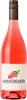
Winery VorizanakiLittle Angel Liatiko - Syrah
 Pink wine



This wine generally goes well with beef, lamb or mature and hard cheese.
The Little Angel Liatiko - Syrah of the Winery Vorizanaki is in the top 60 of wines of Crete.

Food and wine pairings with Little Angel Liatiko - Syrah
Pairings that work perfectly with Little Angel Liatiko - Syrah



Original food and wine pairings with Little Angel Liatiko - Syrah

The Little Angel Liatiko - Syrah of Winery Vorizanaki matches generally quite well with dishes of beef, lamb or spicy food such as recipes of improved horse steak, lamb colombo or white beans with tomato (italy).
Details and technical informations about Winery Vorizanaki's Little Angel Liatiko - Syrah.
Discover the grape variety: Garnacha Tintorera
Intensely coloured, supple reds with a deep, near-opaque purple robe, light tannins and a dense palate. Signature aromas of black fruits (blackberry, blackcurrant), plum, soft spices and inky notes. Powerful dyer's profile. Grown in Spain (Almansa DO, La Mancha) and Portugal, used mainly to deepen colour in Mediterranean blends. Spanish synonym for Alicante Bouschet, a dyer's hybrid of Petit Bouschet × Grenache (19th century).
Last vintages of this wine
The best vintages of Little Angel Liatiko - Syrah from Winery Vorizanaki are 2019, 2018, 0
Informations about the Winery Vorizanaki
The Winery Vorizanaki is one of of the world's greatest estates. It offers 26 wines for sale in the of Crete to come and discover on site or to buy online.

The wine region of Crete
Largest Greek island and 2nd national wine region, millennia-old Minoan heritage. Signature native Vidiano in whites, rediscovered jewel: ample, expressive with signature apricot, yellow peach, white flowers, honey, tropical fruit and a mineral touch, round and long palate. Also fresh lemony Vilana, rare Plyto and Thrapsathiri. Liatiko reds (most planted) supple with cherry, dried herbs and spice; fruity Kotsifali, tannic Mandilari.
The word of the wine: Pressing Rosé
A method of making rosé wine that consists of pressing the grapes directly after crushing and light skin maceration. The resulting wine is lively, light and pale.