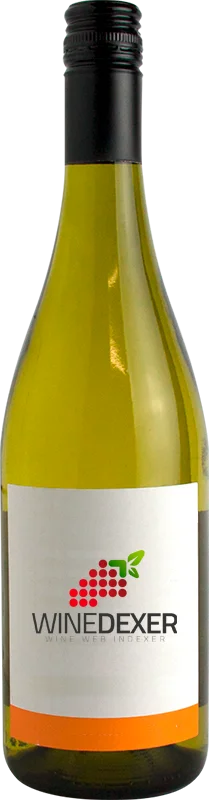
Winery VoluptaBianco
 White wine



In the mouth this white wine is a powerful.
This wine generally goes well with vegetarian, appetizers and snacks or shellfish.

Taste structure of the Bianco from the Winery Volupta
Light | Bold | |
Dry | Sweet | |
Soft | Acidic |
In the mouth the Bianco of Winery Volupta in the region of Sicily is a powerful.
Food and wine pairings with Bianco
Pairings that work perfectly with Bianco



Original food and wine pairings with Bianco
The Bianco of Winery Volupta matches generally quite well with dishes of shellfish, vegetarian or appetizers and snacks such as recipes of seafood risotto, broccoli and blue cheese quiche without pastry or preparation of the green olives.
Details and technical informations about Winery Volupta's Bianco.
Discover the grape variety: Ondenc
Structured, aromatic dry, medium-sweet and sweet whites with a pale golden to amber color, ample palate and preserved acidity, with signature aromas of yellow fruits (peach, apricot, quince), candied citrus, white flowers, honey and spiced notes. Fine ageing and cellaring potential. Traditional component of Gaillac AOC, particularly in sweet and passito styles. Rare indigenous South-West French variety, Gaillac's signature.
Last vintages of this wine
The best vintages of Bianco from Winery Volupta are 0, 2013
Informations about the Winery Volupta
The Winery Volupta is one of of the world's great estates. It offers 14 wines for sale in the of Sicily to come and discover on site or to buy online.

The wine region of Sicily
Major qualitative renewal. Sunny, expressive reds: fleshy, spicy Nero d'Avola (black cherry, blackberry, liquorice), fine, mineral Nerello Mascalese on Etna (recalls Pinot Noir), light, crisp Frappato in Cerasuolo di Vittoria DOCG. Lively, saline whites: Catarratto, fat, iodised Grillo, taut Carricante, floral Inzolia. Amber, walnutty fortified Marsala.
The word of the wine: Flavor
Sensation (sweet, salty, sour or bitter) produced on the tongue by a food.


