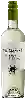
Winery Viu ManentLate Harvest Sémillon
 Sweet wine



This wine generally goes well with poultry, rich fish (salmon, tuna etc) or shellfish.
Wine flavors and olphactive analysis

On the nose the Late Harvest Sémillon of Winery Viu Manent in the region of Central Valley often reveals types of flavors of earth.
Food and wine pairings with Late Harvest Sémillon
Pairings that work perfectly with Late Harvest Sémillon



Original food and wine pairings with Late Harvest Sémillon

The Late Harvest Sémillon of Winery Viu Manent matches generally quite well with dishes of rich fish (salmon, tuna etc), shellfish or sweet desserts such as recipes of light salmon steaks and, shrimp with cream and fettuccine or brownies with nuts.
Details and technical informations about Winery Viu Manent's Late Harvest Sémillon.
Discover the grape variety: Negro Aramo
Its country of origin is Greece - it is related to the Greek xynomavro grape variety - and it has been cultivated for a long time in southern Italy, particularly in the southern region of Puglia, although it is known throughout the country. It should not be confused with aglianico, with which it has some synonyms. It should be noted that there is an early Negro Aramo clone. We can also meet the Negro Aramo in England, Australia, New Zealand, the United States (California, ...), ... in France it is almost unknown.
Last vintages of this wine
The best vintages of Late Harvest Sémillon from Winery Viu Manent are 2006, 2014, 2013, 0 and 2005.
Informations about the Winery Viu Manent
The Winery Viu Manent is one of of the world's great estates. It offers 64 wines for sale in the of Colchagua Valley to come and discover on site or to buy online.

The wine region of Colchagua Valley
The wine region of Colchagua Valley is located in the region of Rapel Valley of Central Valley of Chile. We currently count 487 estates and châteaux in the of Colchagua Valley, producing 2420 different wines in conventional, organic and biodynamic agriculture. The wines of Colchagua Valley go well with generally quite well with dishes .
The wine region of Central Valley
The Central Valley (El Valle Central) of Chile is one of the most important wine-producing areas in South America in terms of Volume. It is also one of the largest wine regions, stretching from the Maipo Valley (just south of Santiago) to the southern end of the Maule Valley. This is a distance of almost 250 miles (400km) and covers a number of Climate types. The Central Valley wine region is easily (and often) confused with the geological Central Valley, which runs north–south for more than 620 miles (1000km) between the Pacific Coastal Ranges and the lower Andes.
The word of the wine: Véraison
A phase in the vegetative cycle of the vine that takes place in summer, usually in August, when the grapes change colour from green to red (for reds) or yellow (for whites). This stage heralds the beginning of ripening.