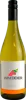
Winery Virgile JolySaturne Rosé
 Pink wine
In the mouth this pink wine is a powerful with a nice freshness.
This wine generally goes well with vegetarian, appetizers and snacks or lean fish.

Taste structure of the Saturne Rosé from the Winery Virgile Joly
Light | Bold | |
Dry | Sweet | |
Soft | Acidic |
In the mouth the Saturne Rosé of Winery Virgile Joly in the region of Languedoc-Roussillon is a powerful with a nice freshness.
Food and wine pairings with Saturne Rosé
Pairings that work perfectly with Saturne Rosé



Original food and wine pairings with Saturne Rosé


The Saturne Rosé of Winery Virgile Joly matches generally quite well with dishes of pasta, vegetarian or appetizers and snacks such as recipes of pasta with chicken, leek, goat cheese and bacon quiche or fake foie gras.
Details and technical informations about Winery Virgile Joly's Saturne Rosé.
Discover the grape variety: Minutolo
Aromatic, lively dry whites with a pale golden colour, a slender palate and preserved acidity, showing intense signature muscat aromas (rose, fresh grape), white flowers (orange blossom), exotic fruits (lychee, pineapple) and citrus notes. Distinctive Apulian aromatic profile to drink young. Experiencing a fine qualitative revival among modern Puglian winemakers in the Valle d'Itria. Native white variety from Puglia, Italy, long confused with Fiano.
Informations about the Winery Virgile Joly
The Winery Virgile Joly is one of of the world's great estates. It offers 28 wines for sale in the of Languedoc-Roussillon to come and discover on site or to buy online.

The wine region of Languedoc-Roussillon
Largest single French vineyard, dominated by sunny, generous reds. Spicy Syrah, candied Grenache (ripe fruit, garrigue), structured Carignan, deep Mourvèdre, supple Cinsault. Stars: structured Corbières, Minervois, Faugères, Saint-Chinian; round Côtes-du-Roussillon. Legendary vins doux naturels: Banyuls and Maury (fortified Grenache) with notes of cocoa, fig, prune.
The word of the wine: INAO glass
Glass adapted to wine tasting, created in the 1970s by the Institut national des appellations d'origine. At the time, it had the advantage of offering a standardised tool to all tasters. It is characterized by a wide base that allows for good ventilation and a narrow mouth (opening of the glass) to concentrate the aromas. Many high-performance glasses have been created based on this model.