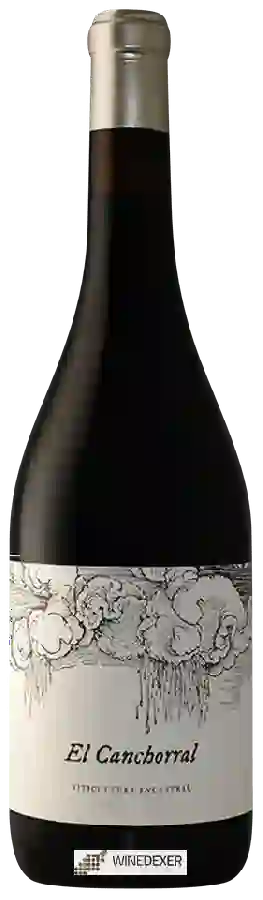
Winery Viñas SerranasEl Canchorral
 Red wine



In the mouth this red wine is a with a nice freshness.
This wine generally goes well with poultry, beef or veal.

Taste structure of the El Canchorral from the Winery Viñas Serranas
Light | Bold | |
Smooth | Tannic | |
Dry | Sweet | |
Soft | Acidic |
In the mouth the El Canchorral of Winery Viñas Serranas in the region of Castille-et-Léon is a with a nice freshness.
Food and wine pairings with El Canchorral
Pairings that work perfectly with El Canchorral



Original food and wine pairings with El Canchorral

The El Canchorral of Winery Viñas Serranas matches generally quite well with dishes of beef, pasta or veal such as recipes of traditional flemish carbonades, express beef cannelloni or osso buco with mushrooms.
Details and technical informations about Winery Viñas Serranas's El Canchorral.
Discover the grape variety: Tressailler
Light, lively whites to drink young with a pale golden robe, an airy palate with preserved acidity, and discreet aromas of citrus (lemon), white flowers and fresh herbal notes. Also used in sparkling base wines. A component of Saint-Pourçain AOC in Auvergne and participant in Crémant de Bourgogne. Also called Sacy, this indigenous French white from the Allier and Bourbonnais defines northern Burgundy.
Last vintages of this wine
The best vintages of El Canchorral from Winery Viñas Serranas are 0
Informations about the Winery Viñas Serranas
The Winery Viñas Serranas is one of of the world's greatest estates. It offers 8 wines for sale in the of Castille-et-Léon to come and discover on site or to buy online.

The wine region of Castille-et-Léon
Cradle of great Castilian reds on high-altitude plateaus (450-1000 m) of the Duero. Tempranillo king (Tinto Fino, Tinta de Toro): powerful, structured reds with notes of black cherry, blackberry, plum, leather and spices, firm tannins and length worthy of long ageing. Stars: Ribera del Duero (Vega Sicilia, Pingus), fleshy Toro, Bierzo (fresh mineral Mencía). Lively herbaceous Verdejo whites from Rueda, cut grass and citrus.
The word of the wine: Harsh
Term describing the state of tannins with an astringency that lacks finesse.