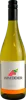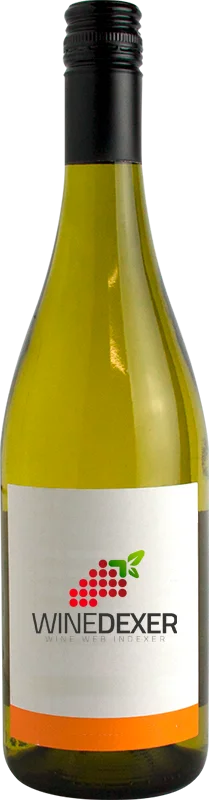
Winery Vinăria Ostrov - Domeniile OstrovNaiada Chardonnay
 White wine


This wine generally goes well with pork, vegetarian or poultry.

Food and wine pairings with Naiada Chardonnay
Pairings that work perfectly with Naiada Chardonnay



Original food and wine pairings with Naiada Chardonnay

The Naiada Chardonnay of Winery Vinăria Ostrov - Domeniile Ostrov matches generally quite well with dishes of pork, rich fish (salmon, tuna etc) or vegetarian such as recipes of home-made coq au vin, tuna with tomatoes in the oven or summer tuna quiche.
Details and technical informations about Winery Vinăria Ostrov - Domeniile Ostrov's Naiada Chardonnay.
Discover the grape variety: Chardonnay
Whites with many faces: mineral and taut at Chablis (lemon, green apple, flint), opulent and buttery at Meursault and Puligny-Montrachet (hazelnut, brioche, yellow fruits), tense and chalky in Champagne (Blanc de Blancs). Also vinified sparkling and widely exported (Sonoma, Margaret River, Casablanca). A Burgundian variety, a cross of Pinot Noir × Gouais Blanc, half-sibling of Aligoté.
Last vintages of this wine
The best vintages of Naiada Chardonnay from Winery Vinăria Ostrov - Domeniile Ostrov are 2017, 0
Informations about the Winery Vinăria Ostrov - Domeniile Ostrov
The Winery Vinăria Ostrov - Domeniile Ostrov is one of of the world's great estates. It offers 61 wines for sale in the of Danube to come and discover on site or to buy online.

The wine region of Danube
Danubian plain of northern Bulgaria, temperate continental climate tempered by the river, fertile chernozem soils. Gamza (Kadarka) is the signature indigenous red king: supple and juicy with red and black fruits, plum, soft spices, walnuts and vanilla touch, melting tannins and fruity freshness. Light Pamid for everyday, dense Cabernet Sauvignon, supple Merlot in complement. Riesling crisp, Chardonnay broad, Muscat Ottonel aromatic, Gewürztraminer floral in whites.
The word of the wine: Anthocyanins
Phenolic compounds present in the skin of grapes that give colour to red wines during maceration.