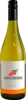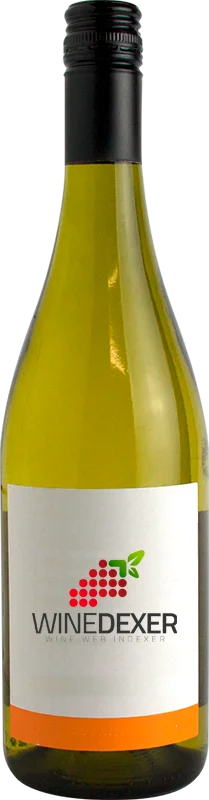
Winery Domeniul Coroanei SegarceaFetească Albă
 White wine



This wine generally goes well with
The Fetească Albă of the Winery Domeniul Coroanei Segarcea is in the top 40 of wines of Danube.
Wine flavors and olphactive analysis


On the nose the Fetească Albă of Winery Domeniul Coroanei Segarcea in the region of Danube often reveals types of flavors of vegetal, tree fruit or citrus fruit.
Details and technical informations about Winery Domeniul Coroanei Segarcea's Fetească Albă.
Discover the grape variety: Claverie
Claverie blanc is a grape variety that originated in France (South-West). It produces a variety of grape specially used for wine making. It is rare to find this grape to eat on our tables. This variety of grape is characterized by large bunches and large grapes. Claverie blanc can be found cultivated in these vineyards: South West, Cognac, Bordeaux, Provence & Corsica, Rhone Valley, Armagnac.
Last vintages of this wine
The best vintages of Fetească Albă from Winery Domeniul Coroanei Segarcea are 2017, 2011, 2018, 2016 and 0.
Informations about the Winery Domeniul Coroanei Segarcea
The Winery Domeniul Coroanei Segarcea is one of of the world's greatest estates. It offers 20 wines for sale in the of Danube to come and discover on site or to buy online.

The wine region of Danube
Romania is located at the geographical crossroads between Central and South-Eastern Europe. The Romanian wine industry uses a wide range of indigenous and international red and white Grape varieties. Both vinifera and American grape species are present here, as well as a number of hybrids. The latter are chosen for their resistance to varying Climates.
The word of the wine: Muscat blanc à petits grains
A white grape variety cultivated since antiquity on the shores of the Mediterranean, it is considered the noblest of the muscats. It is mainly used to make sweet wines, often from mutage. In France, it is the sole variety used in many natural sweet wines: muscat-de-frontignan, muscat-de-mireval, muscat-de-lunel, muscat-de-saint-jean-de-minervois, muscat-de-beaumes-de-venise, muscat-du-cap-corse. Combined with Muscat d'Alexandrie, it gives Muscat-de-Rivesaltes. It is also used to make sparkling white wines (clairette-de-die; moscato d'asti and asti spumante in Italy) and dry wines (alsace-muscat). Powerfully aromatic and complex, its wines evoke fresh grapes, roses, exotic fruits, citrus fruits and spices.