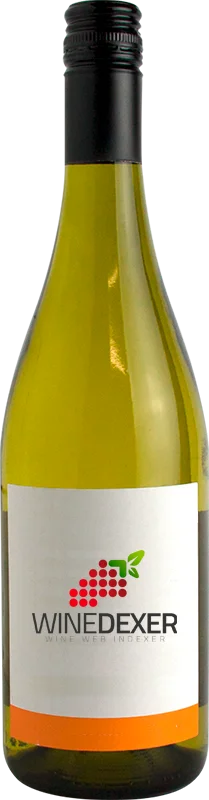
Winery Vinăria Ostrov - Domeniile OstrovMuscat Ottonel Sec
 White wine


This wine generally goes well with spicy food and sweet desserts.

Food and wine pairings with Muscat Ottonel Sec
Pairings that work perfectly with Muscat Ottonel Sec


Original food and wine pairings with Muscat Ottonel Sec
The Muscat Ottonel Sec of Winery Vinăria Ostrov - Domeniile Ostrov matches generally quite well with dishes of spicy food or sweet desserts such as recipes of simple chicken curry or traditional pastry flan.
Details and technical informations about Winery Vinăria Ostrov - Domeniile Ostrov's Muscat Ottonel Sec.
Discover the grape variety: Catarratto Bianco
Fresh, structured dry whites with a pale golden color, supple palate and preserved acidity, offering signature aromas of citrus (lemon, bitter orange), almond, white flowers (orange blossom), Mediterranean herbs and mineral notes. A sunny, thirst-quenching profile. Pillar of Sicilian dry whites (Alcamo DOC, Etna Bianco DOC) and essential component of traditional Marsala DOC. One of Italy's most planted varieties, indigenous to Sicily.
Last vintages of this wine
The best vintages of Muscat Ottonel Sec from Winery Vinăria Ostrov - Domeniile Ostrov are 0
Informations about the Winery Vinăria Ostrov - Domeniile Ostrov
The Winery Vinăria Ostrov - Domeniile Ostrov is one of of the world's great estates. It offers 61 wines for sale in the of Danube to come and discover on site or to buy online.

The wine region of Danube
Danubian plain of northern Bulgaria, temperate continental climate tempered by the river, fertile chernozem soils. Gamza (Kadarka) is the signature indigenous red king: supple and juicy with red and black fruits, plum, soft spices, walnuts and vanilla touch, melting tannins and fruity freshness. Light Pamid for everyday, dense Cabernet Sauvignon, supple Merlot in complement. Riesling crisp, Chardonnay broad, Muscat Ottonel aromatic, Gewürztraminer floral in whites.
The word of the wine: Burgundy melon
A white grape variety from Burgundy that is not widely used in its native region, but has spread to the Nantes region. It is the exclusive variety of Muscadet. It gives a dry pale yellow wine, supple and lively, with an intense bouquet, to which maturing on lees gives fatness and aromatic complexity.