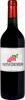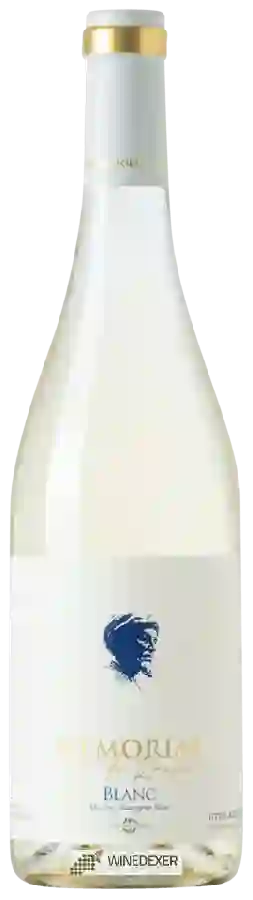
Winery Viña MemoriasMemorias del Rambam - Blanc
 White wine


This wine generally goes well with
Details and technical informations about Winery Viña Memorias's Memorias del Rambam - Blanc.
Discover the grape variety: Black Monukka
A very old variety of table grape. It is believed to be a cross between the khourmany kizil or ichkimar and the sultana. In reality, the name Monukka covers several varieties - not all of which are apyrenic - that are somewhat similar and can be found in Armenia, Bulgaria, Slovakia, Moldavia, Italy, Uzbekistan, Afghanistan, Iran, South Africa, the United States (California), etc. In France, the black Monukka is practically not cultivated and is mainly of interest to amateur gardeners. - Synonyms: monucca in South Africa and the United States ..., monukka i siah in Afghanistan, black kischmish, kichmiche, kishmish chernyi, russian seedless, sultanina nera in Italy. This is not true because black sultanina does exist but it is very rare (for all the synonyms of the grape varieties, click here!)
Last vintages of this wine
The best vintages of Memorias del Rambam - Blanc from Winery Viña Memorias are 2017, 0
Informations about the Winery Viña Memorias
The Winery Viña Memorias is one of of the world's greatest estates. It offers 12 wines for sale in the of Utiel-Requena to come and discover on site or to buy online.

The wine region of Utiel-Requena
The wine region of Utiel-Requena is located in the region of Valence of Spain. Wineries and vineyards like the Domaine Hispano Suizas or the Domaine Bodegas 6º Elemento - Vino Sexto Elemento produce mainly wines red, white and pink. The most planted grape varieties in the region of Utiel-Requena are Bobal, Tempranillo and Cabernet-Sauvignon, they are then used in wines in blends or as a single variety. On the nose of Utiel-Requena often reveals types of flavors of blackberry, lime or licorice and sometimes also flavors of cream, nectarine or oil.
The wine region of Valence
Valencia is a province in the centre of Spain's sunny east coast, perhaps better known for its oranges (and paella) than its wine. The administrative Center of Valencia is the city of the same name, the third largest in Spain and the largest port on the Mediterranean. Archaeological evidence suggests that wine making in Valencia dates back more than a thousand years, but the region has never been particularly prominent on the world wine map. In modern times, Valencia's wine production has focused on quantity rather than quality, although this is gradually changing.
The word of the wine: Muscat blanc à petits grains
A white grape variety cultivated since antiquity on the shores of the Mediterranean, it is considered the noblest of the muscats. It is mainly used to make sweet wines, often from mutage. In France, it is the sole variety used in many natural sweet wines: muscat-de-frontignan, muscat-de-mireval, muscat-de-lunel, muscat-de-saint-jean-de-minervois, muscat-de-beaumes-de-venise, muscat-du-cap-corse. Combined with Muscat d'Alexandrie, it gives Muscat-de-Rivesaltes. It is also used to make sparkling white wines (clairette-de-die; moscato d'asti and asti spumante in Italy) and dry wines (alsace-muscat). Powerfully aromatic and complex, its wines evoke fresh grapes, roses, exotic fruits, citrus fruits and spices.