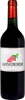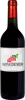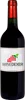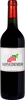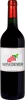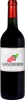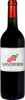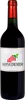
Winery Villa ViscoCollezione Amabile Rosso
 Red wine


In the mouth this red wine is a .
This wine generally goes well with poultry, beef or veal.
Taste structure of the Collezione Amabile Rosso from the Winery Villa Visco
Light | Bold | |
Smooth | Tannic | |
Dry | Sweet | |
Soft | Acidic |
In the mouth the Collezione Amabile Rosso of Winery Villa Visco in the region of Veneto is a .
Food and wine pairings with Collezione Amabile Rosso
Pairings that work perfectly with Collezione Amabile Rosso



Original food and wine pairings with Collezione Amabile Rosso


The Collezione Amabile Rosso of Winery Villa Visco matches generally quite well with dishes of beef, lamb or veal such as recipes of lomo saltado, mouse of lamb with thyme or stuffed red mullet ballotines.
Details and technical informations about Winery Villa Visco's Collezione Amabile Rosso.
Discover the grape variety: Ugni blanc et rose
Italian origin most certainly, more precisely from Tuscany. It is registered in the Official Catalogue of wine grape varieties list A1. Published genetic analysis has revealed that it is related to the vermentino and for more details click here!
Last vintages of this wine
The best vintages of Collezione Amabile Rosso from Winery Villa Visco are 0
Informations about the Winery Villa Visco
The Winery Villa Visco is one of of the world's greatest estates. It offers 13 wines for sale in the of Veneto to come and discover on site or to buy online.

The wine region of Veneto
Veneto is an important and growing wine region in northeastern Italy. Veneto is administratively Part of the Triveneto area, aLong with its smaller neighbors, Trentino-Alto Adige and Friuli-Venezia Giulia. In terms of geography, culture and wine styles, it represents a transition from the Alpine and Germanic-Slavic end of Italy to the warmer, drier, more Roman lands to the South. Veneto is slightly smaller than the other major Italian wine regions - Piedmont, Tuscany, Lombardy, Puglia and Sicily - but it produces more wine than any of them.
The word of the wine: Sweet
Generic term for wines containing residual sugar (natural sugars in the grapes that have not been transformed into alcohol). It is also used to describe a wine with a dominantly sweet flavour, without further explanation.