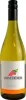
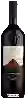
Winery Villa ViscoCollezione Amabile Bianco
 White wine
In the mouth this white wine is a with a nice freshness.
This wine generally goes well with vegetarian, appetizers and snacks or lean fish.
Taste structure of the Collezione Amabile Bianco from the Winery Villa Visco
Light | Bold | |
Dry | Sweet | |
Soft | Acidic |
In the mouth the Collezione Amabile Bianco of Winery Villa Visco in the region of Veneto is a with a nice freshness.
Food and wine pairings with Collezione Amabile Bianco
Pairings that work perfectly with Collezione Amabile Bianco



Original food and wine pairings with Collezione Amabile Bianco


The Collezione Amabile Bianco of Winery Villa Visco matches generally quite well with dishes of pasta, vegetarian or appetizers and snacks such as recipes of capellini with prosciutto, light tuna-tomato quiche (without cream) or green tomatoes in vinegar.
Details and technical informations about Winery Villa Visco's Collezione Amabile Bianco.
Discover the grape variety: Ribolla gialla
A very old grape variety that has been cultivated for a long time in Italy, more precisely in the Friuli region. It can also be found in Slovenia, Greece (island of Cephalonia), in the United States (California), ... and it should not be confused with the robola or rombola aspri cultivated in Greece (Ionian islands).
Informations about the Winery Villa Visco
The Winery Villa Visco is one of of the world's greatest estates. It offers 13 wines for sale in the of Veneto to come and discover on site or to buy online.

The wine region of Veneto
Veneto is an important and growing wine region in northeastern Italy. Veneto is administratively Part of the Triveneto area, aLong with its smaller neighbors, Trentino-Alto Adige and Friuli-Venezia Giulia. In terms of geography, culture and wine styles, it represents a transition from the Alpine and Germanic-Slavic end of Italy to the warmer, drier, more Roman lands to the South. Veneto is slightly smaller than the other major Italian wine regions - Piedmont, Tuscany, Lombardy, Puglia and Sicily - but it produces more wine than any of them.
The word of the wine: Secondary aromas
Aromas resulting from the fermentation and maturation of the wine before bottling. The aging in barrels modifies considerably the texture and the flavours of the wine.