The Winery Valriz of Duriense
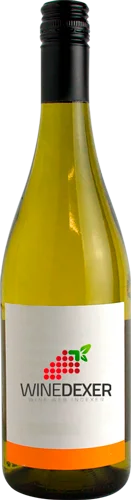
The Winery Valriz is one of the best wineries to follow in Duriense.. It offers 15 wines for sale in of Duriense to come and discover on site or to buy online.
Looking for the best Winery Valriz wines in Duriense among all the wines in the region? Check out our tops of the best red, white or effervescent Winery Valriz wines. Also find some food and wine pairings that may be suitable with the wines from this area. Learn more about the region and the Winery Valriz wines with technical and enological descriptions.
How Winery Valriz wines pair with each other generally quite well with dishes of beef, sweet desserts or blue cheese such as recipes of rosbeef casserole mamie, chocolate mug cake or vegetable and gorgonzola lasagna.
On the nose the natural sweet wine of Winery Valriz. often reveals types of flavors of non oak, oak or spices and sometimes also flavors of red fruit, dried fruit or microbio. In the mouth the natural sweet wine of Winery Valriz. is a powerful mainly marked by the residual sugar.
Duriense is a Portuguese wine region covering the same area as the Douro DOC and the Port wine region. In difference from Douro DOC, Duriense VR is a designation at the lower Vinho Regional (VR) level, which corresponds to table wines with a geographical indication under European Union wine regulations, similar to a French vin de pays region. Thus, it is the simpler or less typical wines of the Douro region that are sold using a Duriense VR label.
Before the creation of a separate Duriense VR, the Douro vineyards were Part of the former Transmontano/tras-os-montes">Trás-os-Montes VR, which is now called Transmontano VR and no longer includes the Douro vineyards.
Donzelinho branco is one of the authorized Grape permitted to be blended in the wines of Duriense.
Planning a wine route in the of Duriense? Here are the wineries to visit and the winemakers to meet during your trip in search of wines similar to Winery Valriz.
Most certainly Portuguese, not to be confused with the Touriga Franca also of the same origin. In Portugal, where it is widely cultivated, it is used to produce, among other things, the famous red Porto. It is also found in Uzbekistan, Australia, South Africa, Cyprus, Spain, etc... very little known in France, although it is listed in the Official Catalogue of A1 vines.