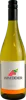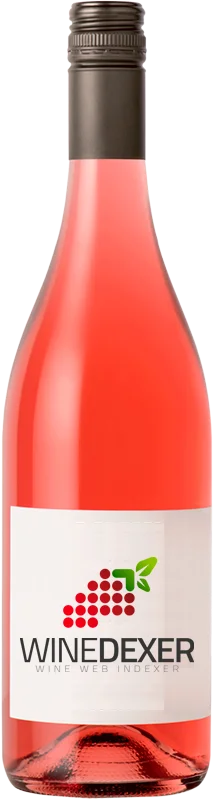
Winery VakakisPythagorean Crater Avgoustiatis - Muscat Blanc
 Pink wine


This wine generally goes well with spicy food and sweet desserts.

Wine flavors and olphactive analysis

Food and wine pairings with Pythagorean Crater Avgoustiatis - Muscat Blanc
Pairings that work perfectly with Pythagorean Crater Avgoustiatis - Muscat Blanc


Original food and wine pairings with Pythagorean Crater Avgoustiatis - Muscat Blanc
The Pythagorean Crater Avgoustiatis - Muscat Blanc of Winery Vakakis matches generally quite well with dishes of spicy food or sweet desserts such as recipes of moroccan chicken tagine or birthday cake.
Details and technical informations about Winery Vakakis's Pythagorean Crater Avgoustiatis - Muscat Blanc.
Discover the grape variety: Mara
Light, fruity reds with a clear ruby robe, smooth tannins and a supple palate of simple red fruits (raspberry, strawberry, cherry), gentle spices and floral notes. A thirst-quenching profile to drink young. Once grown in the South-West, now nearly extinct, preserved in INRAE varietal collections for its genetic value. A rare French grape, witness to the pre-phylloxera ampelographic diversity of the South-West.
Last vintages of this wine
The best vintages of Pythagorean Crater Avgoustiatis - Muscat Blanc from Winery Vakakis are 0
Informations about the Winery Vakakis
The Winery Vakakis is one of of the world's greatest estates. It offers 17 wines for sale in the of Aegean Sea to come and discover on site or to buy online.

The wine region of Aegean Sea
West Turkish coastal region (Izmir, Manisa, Denizli, Aydin), ~53% of national production, sunny Mediterranean climate. Sultaniye: light and fresh with citrus, apple, melon. Bornova Misketi: aromatic and floral (rose, honey). Reds: Cabernet Sauvignon and Syrah dense and sunny (blackcurrant, blackberry, pepper, garrigue, firm tannins) — international varieties that ripen perfectly here.
The word of the wine: Rehoboam
Bottle with a capacity of 4.5 l.