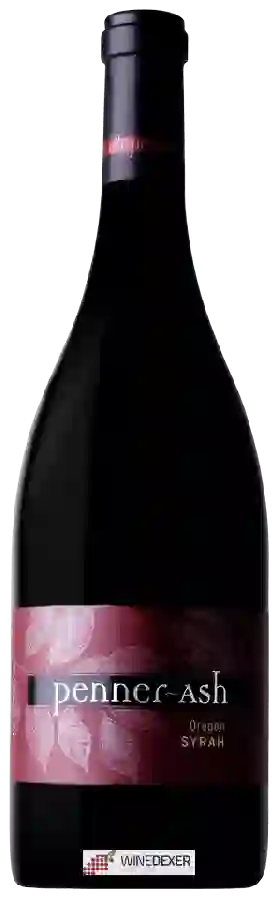
Winery Penner-AshSyrah
 Red wine


This wine generally goes well with beef, lamb or mature and hard cheese.

Wine flavors and olphactive analysis





On the nose the Syrah of Winery Penner-Ash in the region of Oregon often reveals types of flavors of non oak, earth or microbio and sometimes also flavors of oak, tree fruit or spices.
Food and wine pairings with Syrah
Pairings that work perfectly with Syrah



Original food and wine pairings with Syrah

The Syrah of Winery Penner-Ash matches generally quite well with dishes of beef, lamb or spicy food such as recipes of beef tongue with vegetables, thomas's shoulder of lamb or banh mi sandwich.
Details and technical informations about Winery Penner-Ash's Syrah.
Discover the grape variety: Septimer
Aromatic and fragrant whites for early drinking, pale golden colour, ample mouth with moderate acidity, with muscat signature aromas, sweet spices, rose and Gewurztraminer notes (lychee). Exotic typicity. Grown on small surfaces in Germany for distinctive aromatic dry wines. German white grape bred in 1927 in Alzey by Georg Scheu (Müller-Thurgau x Gewürztraminer).
Last vintages of this wine
The best vintages of Syrah from Winery Penner-Ash are 2012, 2013, 2011, 2010 and 0.
Informations about the Winery Penner-Ash
The Winery Penner-Ash is one of of the world's greatest estates. It offers 36 wines for sale in the of Oregon to come and discover on site or to buy online.

The wine region of Oregon
American benchmark for fresh, elegant Pinot Noir. Fine, silky reds with signature notes of red cherry, raspberry, wild strawberry, undergrowth and spice, delicate tannins and taut freshness — the closest style to Burgundy outside France. Iconic Willamette Valley on volcanic (Jory) and marine soils. Also precise, mineral Chardonnay, ample Pinot Gris (pear, honey), taut Riesling.
The word of the wine: Malolactic fermentation
Called second fermentation or malo for short. It is the degradation (under the effect of bacteria) of the malic acid naturally present in the wine into milder, less aggressive lactic acid. Some producers or wineries refuse this operation by "blocking the malo" (by cold and adding SO2) to keep a maximum of acidity which carries the aromas and accentuates the sensation of freshness.