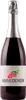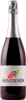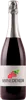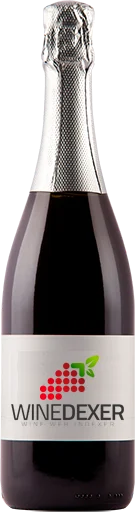
Winery Tre TorriReggiano Lambrusco Frizzante
 Sparkling wine



This wine generally goes well with pork, poultry or rich fish (salmon, tuna etc).

Food and wine pairings with Reggiano Lambrusco Frizzante
Pairings that work perfectly with Reggiano Lambrusco Frizzante



Original food and wine pairings with Reggiano Lambrusco Frizzante


The Reggiano Lambrusco Frizzante of Winery Tre Torri matches generally quite well with dishes of pork, rich fish (salmon, tuna etc) or mature and hard cheese such as recipes of roast pork orloff, pasta salad with surimi or savoyard crust or cheese crust.
Details and technical informations about Winery Tre Torri's Reggiano Lambrusco Frizzante.
Discover the grape variety: Counoise
Supple and fresh reds with a clear ruby colour, melted tannins and preserved acidity despite the sun, on aromas of strawberry, raspberry, red cherry, white pepper, garrigue and spiced notes. Airy and thirst-quenching palate. A traditional component of Châteauneuf-du-Pape AOC (one of the 13 authorised varieties), it brings freshness, finesse and aromatic complexity to southern blends of Côtes-du-Rhône and Languedoc. Native Rhône variety, very late-ripening.
Last vintages of this wine
The best vintages of Reggiano Lambrusco Frizzante from Winery Tre Torri are 0
Informations about the Winery Tre Torri
The Winery Tre Torri is one of of the world's greatest estates. It offers 10 wines for sale in the of Emilia-Romagna to come and discover on site or to buy online.

The wine region of Emilia-Romagna
Kingdom of Lambrusco: fresh, fruity sparkling reds (blackberry, cherry, violet), from gourmet dry to convivial off-dry, perfect with local charcuterie. World's best-selling sparkling wine on the Emilia side (Sorbara, Grasparossa, Salamino). East, Romagna: supple fruity Sangiovese, Albana (Italy's 1st white DOCG, 1987) ample and almondy. Also red Gutturnio and white Pignoletto.
The word of the wine: White winemaking
White wines are obtained by fermentation of the juice after pressing. A pre-fermentation maceration is sometimes practiced to extract the aromatic substances from the skins. White wines are normally made from white grapes, but can also be made from red grapes (blanc de noirs). The grapes are then pressed as soon as they arrive at the vat house without maceration in order to prevent the colouring matter contained in the skins from "staining" the wine.