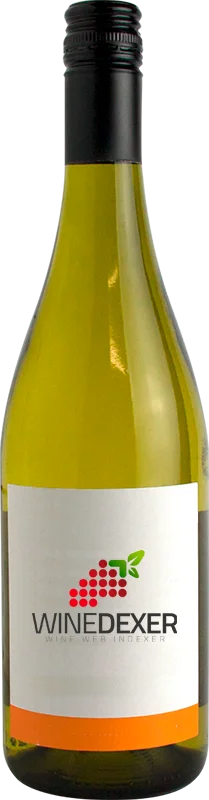
Winery TrattoriaBianco White Dry
 White wine



In the mouth this white wine is a powerful.
This wine generally goes well with lean fish, shellfish or mature and hard cheese.

Taste structure of the Bianco White Dry from the Winery Trattoria
Light | Bold | |
Dry | Sweet | |
Soft | Acidic |
In the mouth the Bianco White Dry of Winery Trattoria in the region of Veneto is a powerful.
Food and wine pairings with Bianco White Dry
Pairings that work perfectly with Bianco White Dry



Original food and wine pairings with Bianco White Dry


The Bianco White Dry of Winery Trattoria matches generally quite well with dishes of pasta, shellfish or mature and hard cheese such as recipes of my grandmother's macaroni gratin with gruyere cheese and smoked ham, carri of shrimps with chillies or franc-comtoise.
Details and technical informations about Winery Trattoria's Bianco White Dry.
Discover the grape variety: Muscat de Hambourg
Aromatic sweet to luscious reds with a garnet ruby colour, an enveloping palate with moderate acidity, and intense muscat signature aromas (rose, fresh grape), candied red fruits and honey. Also a highly prized table grape for its appearance and muscat flavour. Grown in the Mediterranean, Central Asia and California, producing original sweet wines. Aromatic black grape obtained in 1837 in England (Muscat of Alexandria × Schiava grossa).
Last vintages of this wine
The best vintages of Bianco White Dry from Winery Trattoria are 0
Informations about the Winery Trattoria
The Winery Trattoria is one of of the world's greatest estates. It offers 6 wines for sale in the of Veneto to come and discover on site or to buy online.

The wine region of Veneto
World star of Prosecco: fresh, light Glera sparklers with notes of pear, green apple and white flowers, fruity, convivial bubbles. Veronese reds from Corvina and Rondinella: light, crisp Bardolino, fruity Valpolicella, opulent, concentrated Amarone DOCG (black cherry, chocolate, raisin) from dried grapes. Mineral, almondy Soave (Garganega) whites, fresh Pinot Grigio. 97,500 ha, Italy's largest production.
The word of the wine: Tries (harvest by)
Harvesting in several successive passages to harvest at their optimal concentration the grapes affected by noble rot. They allow the production of great sweet wines.