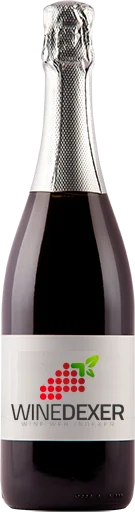
Winery TornantiLambrusco Emilia Rosso Amabile Frizzante
 Sparkling wine


This wine generally goes well with

Details and technical informations about Winery Tornanti's Lambrusco Emilia Rosso Amabile Frizzante.
Discover the grape variety: Mornen
Light and fruity reds with a clear ruby colour, smooth tannins, an airy palate with preserved acidity, and aromas of red fruits (raspberry) with discreet peppery notes. Rustic Rhône Valley profile. Preserved for its heritage value, surviving in a few patrimonial plots in Ardèche; studied for its ampelographic interest. Native French black variety, formerly grown in Ardèche and the Rhône Valley.
Last vintages of this wine
The best vintages of Lambrusco Emilia Rosso Amabile Frizzante from Winery Tornanti are 0
Informations about the Winery Tornanti
The Winery Tornanti is one of of the world's greatest estates. It offers 3 wines for sale in the of Emilia to come and discover on site or to buy online.

The wine region of Emilia
Kingdom of Lambrusco, the world's most-drunk sparkling red. Convivial, accessible sparklers from the Grasparossa (the fleshiest and most tannic), Salamino (balanced), Sorbara (pale and floral with red fruits) and Maestri varieties: ruby colour, lively foam, signature notes of cherry, raspberry, violet and flowers, fresh acidity. From dry to off-dry, perfect with Parma and Modena charcuterie. Also aromatic Malvasia and fresh Trebbiano.
The wine region of Emilia-Romagna
Kingdom of Lambrusco: fresh, fruity sparkling reds (blackberry, cherry, violet), from gourmet dry to convivial off-dry, perfect with local charcuterie. World's best-selling sparkling wine on the Emilia side (Sorbara, Grasparossa, Salamino). East, Romagna: supple fruity Sangiovese, Albana (Italy's 1st white DOCG, 1987) ample and almondy. Also red Gutturnio and white Pignoletto.
The word of the wine: Passerillage
Concentration of the grape by drying out, under the influence of wind or sun, as opposed to botrytisation, which is the concentration obtained by the development of the "noble rot" for which Botrytis cinerea is responsible. The word is mainly used for sweet wines.